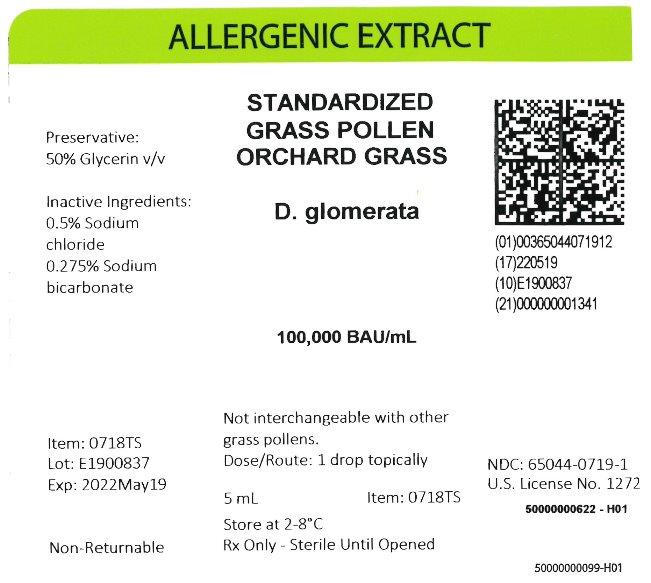
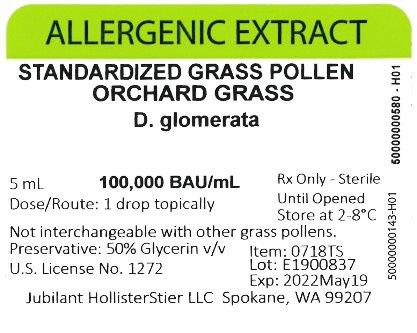
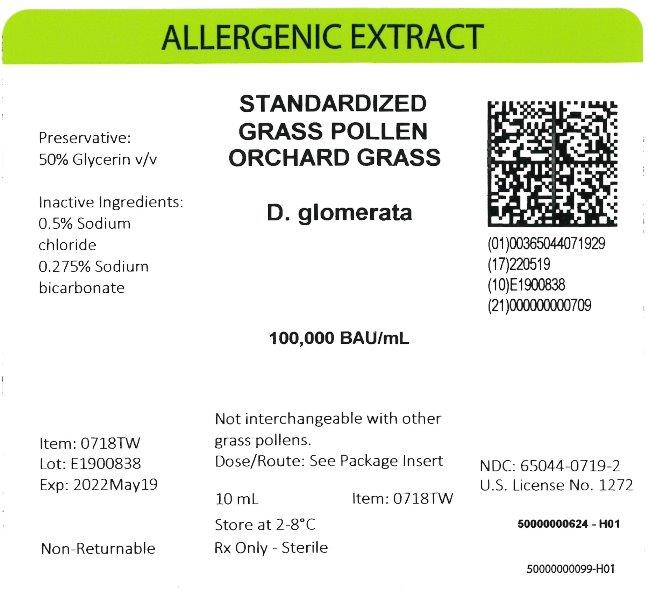
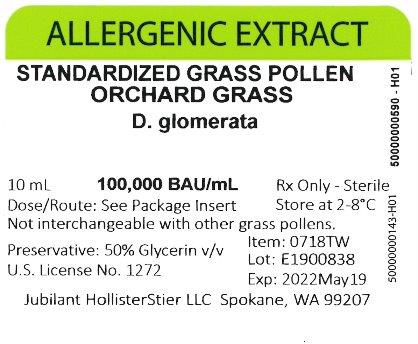
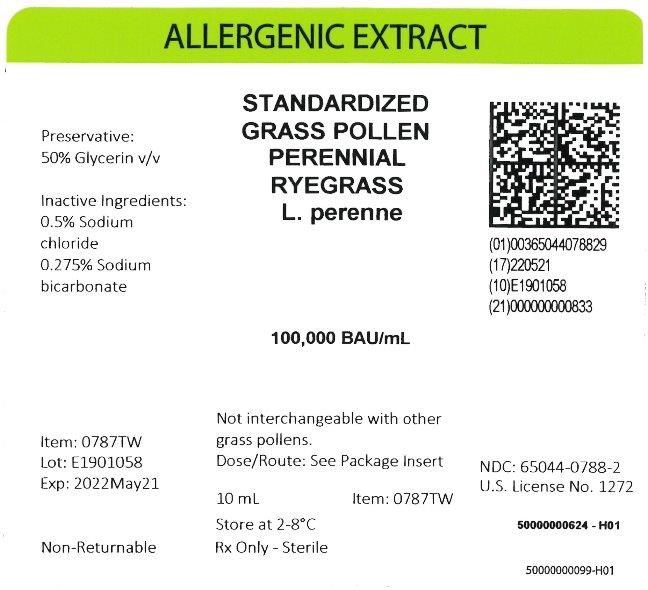
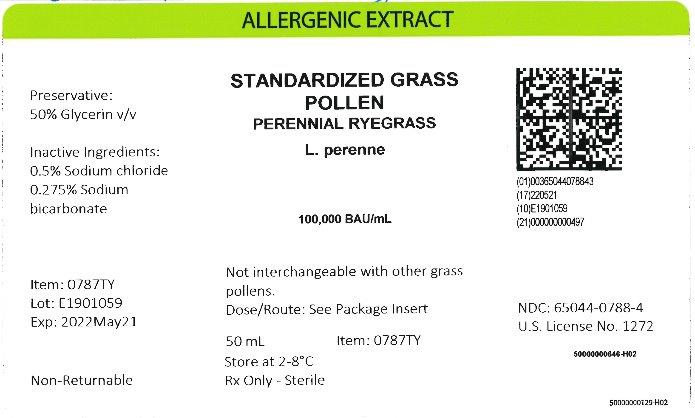
WARNINGS
This product is intended for use only by licensed medical personnel experienced in administering allergenic extracts and trained to provide immediate emergency treatment in the event of a life-threatening reaction.
Allergenic extracts may potentially elicit a severe life-threatening systemic reaction, rarely resulting in death 1. Therefore, emergency measures and personnel trained in their use must be available immediately in the event of such a reaction. Patients should be instructed to recognize adverse reaction symptoms and cautioned to contact the physician's office if symptoms occur. See ADVERSE REACTION, Section 3, of this insert for information regarding adverse event reporting.
Standardized glycerinated extracts may differ in potency from regular extracts and therefore, are not directly interchangeable with non-standardized extracts, or other manufacturers' products.
Note: BAU/mL Standardized grass pollens are not interchangeable with any other grass pollen products. This product should never be injected intravenously. Patients with cardiovascular diseases or pulmonary diseases such as symptomatic unstable, steroid-dependent asthma, and/or those who are receiving cardiovascular drugs such as beta blockers, may be at higher risk for severe adverse reactions. These patients may also be more refractory to the normal allergy treatment regimen. Patients should be treated only if the benefit of treatment outweighs the risks.1
Refer also to the CONTRAINDICATIONS, WARNINGS, PRECAUTIONS, ADVERSE REACTIONS and OVERDOSE Sections for further discussion.
DESCRIPTION
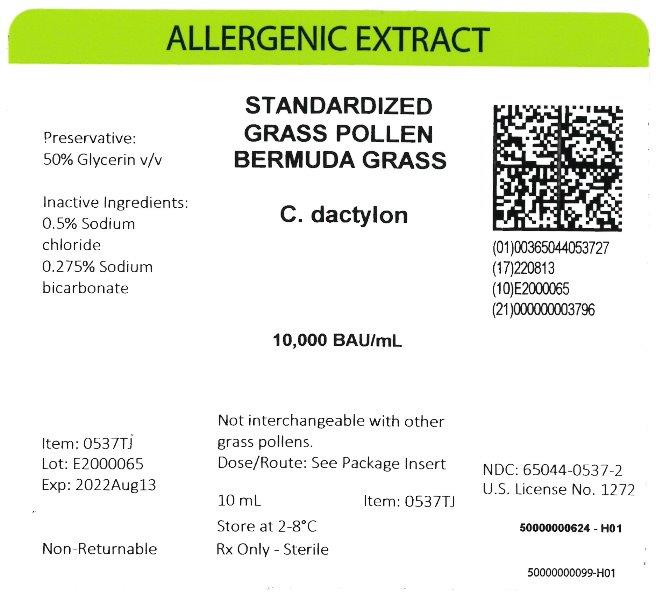
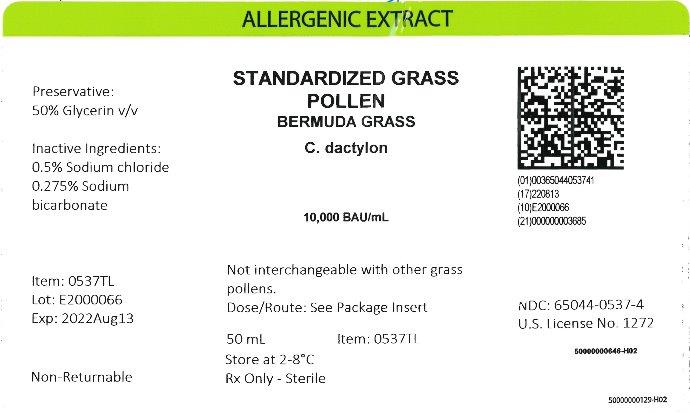
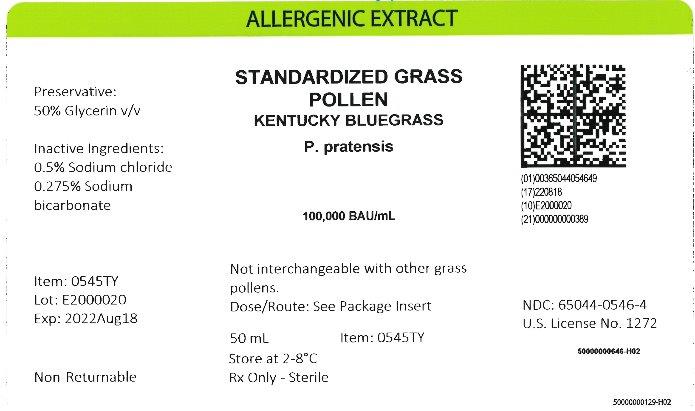
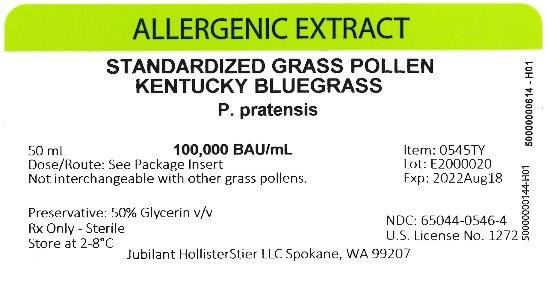
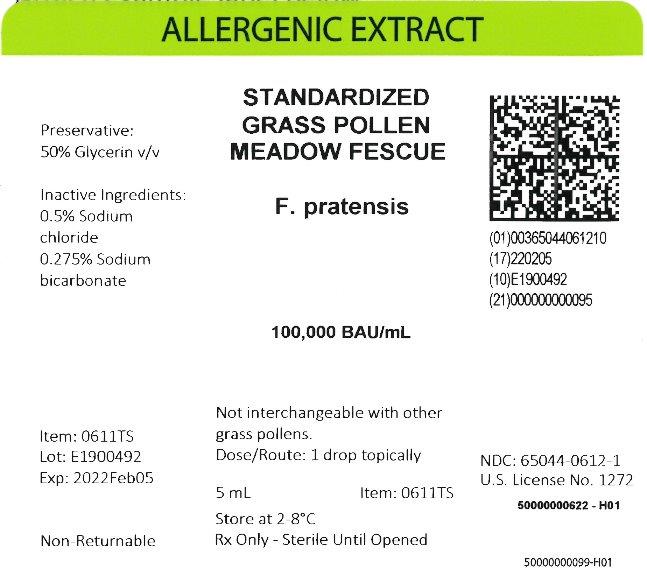
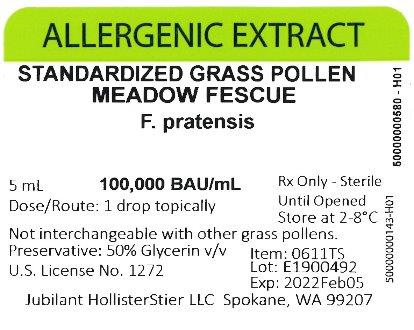
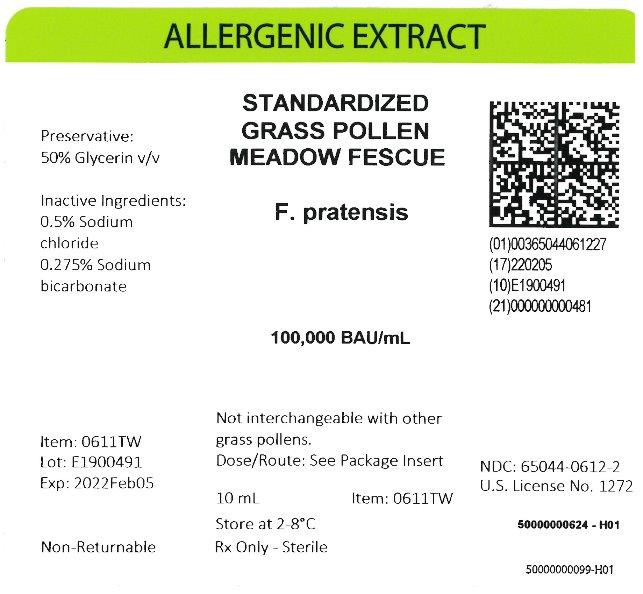
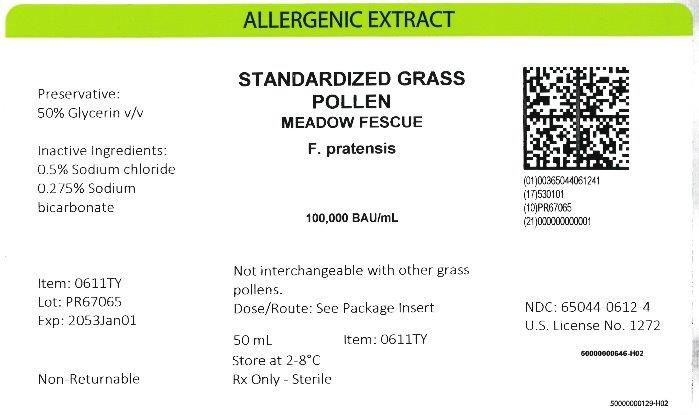
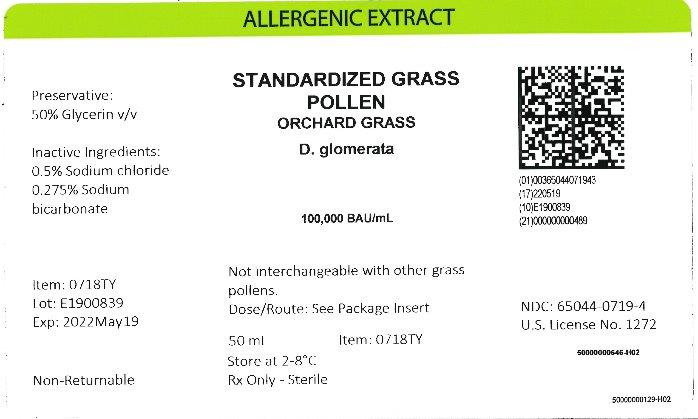
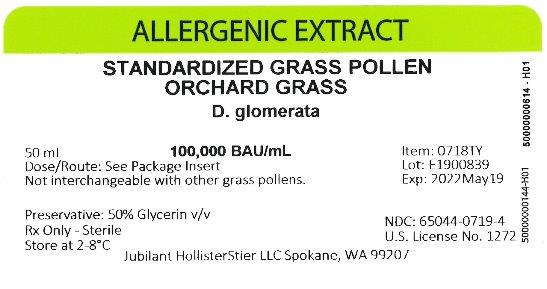
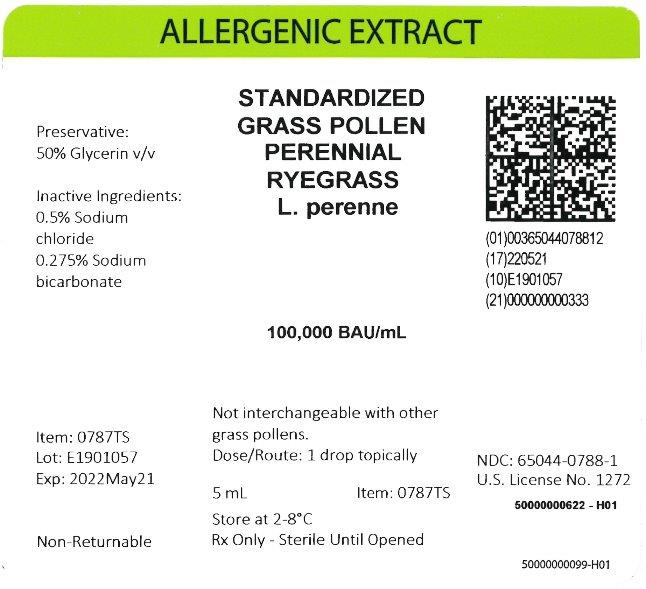
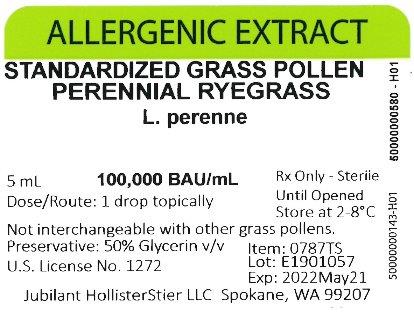
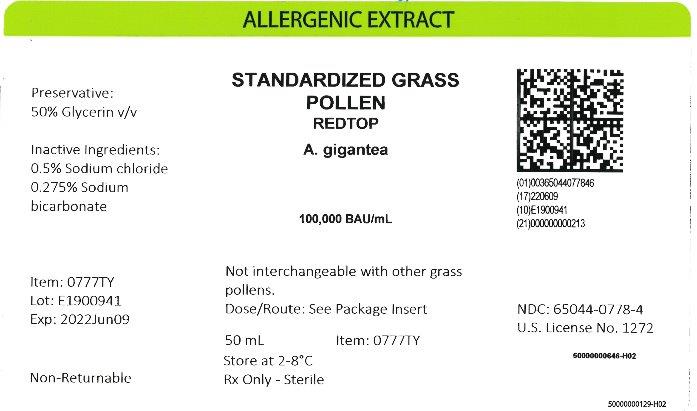
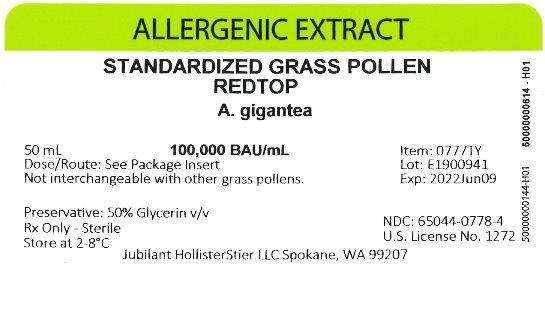
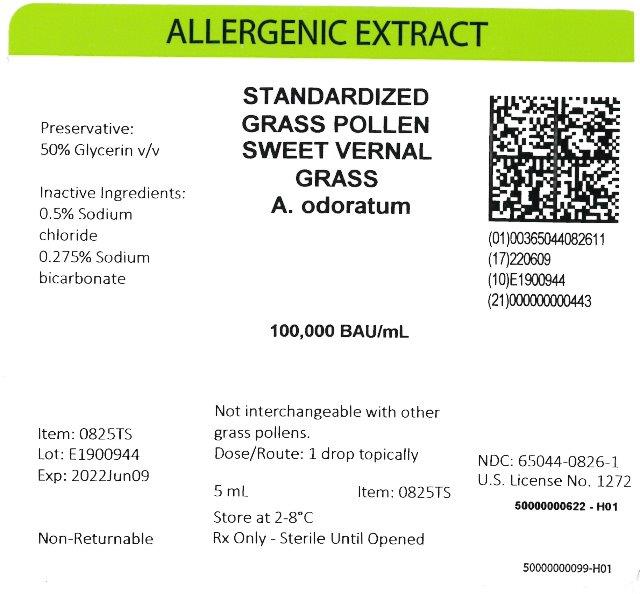
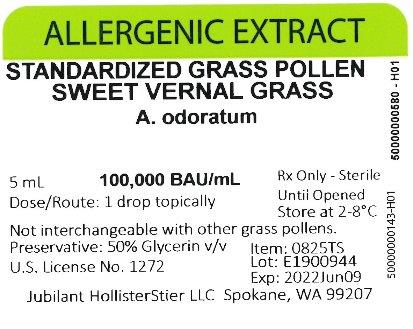
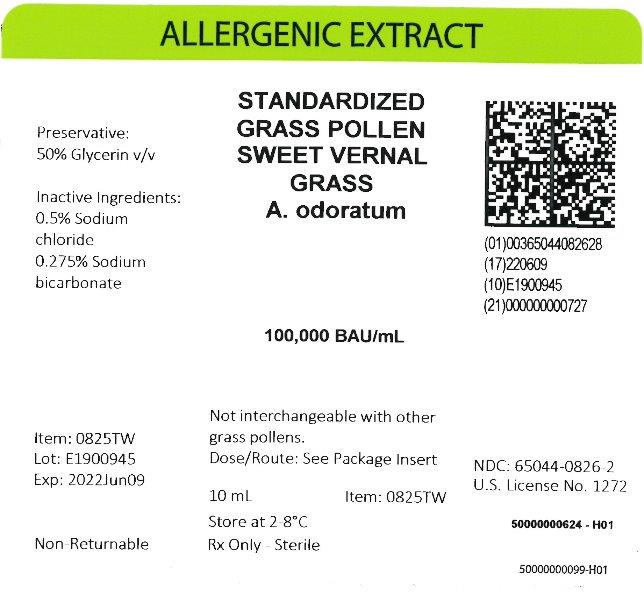
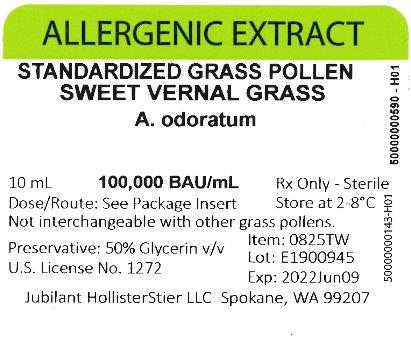
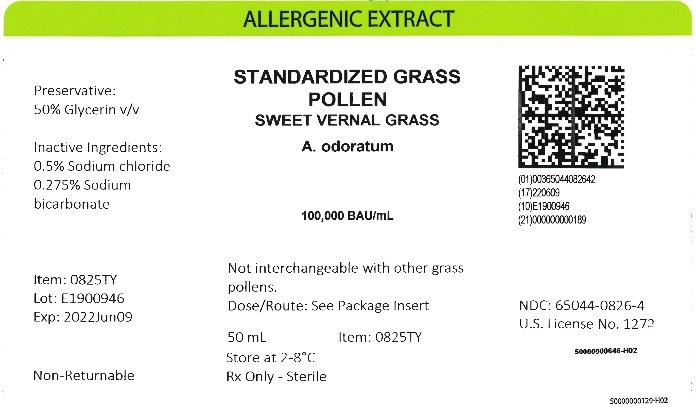
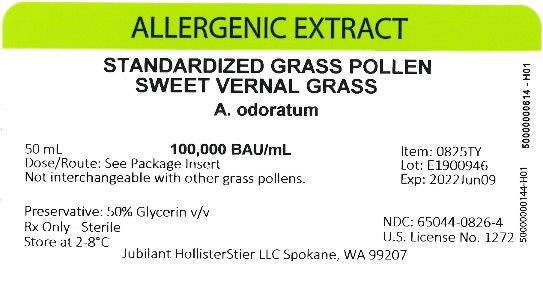
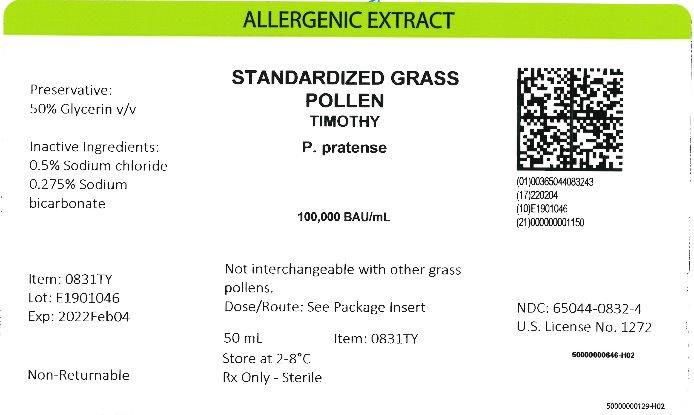
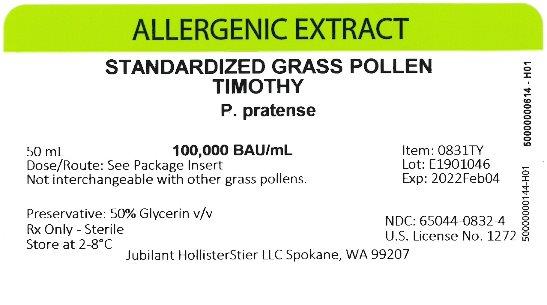
The grass pollens available in standardized form are: Bermuda Grass (Cynodon dactylon), Orchard Grass (Dactylis glomerata), Perennial Ryegrass (Lolium perenne), Timothy Grass (Phleum pratense), Redtop Grass (Agrostis alba), Kentucky Bluegrass (Poa pratensis), Meadow Fescue (Festuca elatior), and Sweet Vernalgrass (Anthoxanthum odoratum). The pollen extracts are intended for subcutaneous injection for immunotherapy; and intradermal and prick or puncture for diagnosis. Pollen extracts are sterile solutions containing the extractables of pollens, 0.5% Sodium Chloride, 0.275% Sodium Bicarbonate, and 50% Glycerin by volume as a preservative. Sterile, diluted Standardized Grass Pollen Extracts available for intradermal testing contain 0.9% sodium chloride, not more than 0.5% glycerin by volume, 0.03% sodium bicarbonate, and 0.4% phenol as a preservative. Source material for the extracts is collected using techniques such as water set or vacuuming. Source material for allergenic extracts contains no more than a total of 1% of detectable foreign materials (99% pollen purity). Note: BAU/mL Standardized grass pollens are not interchangeable with any other grass pollen products.
Product Concentration:
1. Bioequivalent Allergy Units. These allergenic extracts are labeled in Bioequivalent Allergy Units/mL (BAU/mL) based on their comparison (by ELISA Competition) to Center for Biologics Evaluation and Research (CBER), Food and Drug Administration (FDA) Reference Preparations.2 The FDA reference extracts have been assigned Bioequivalent Allergy Units based on the CBER ID50EAL method.5 Briefly, highly sensitive patients are skin tested to the reference preparation using an intradermal technique employing 3-fold extract dilutions. Depending on the dilution which elicits a summation of erythema diameter of 50mm (D50), Bioequivalent Allergy Units are assigned as follows:
| BAU/mL | Intradermal Mean Dilution | D50 |
| 1000,000 | 1:5,000,000 | 13-14.9 |
| 10,000 | 1:500,000 | 11-12.9 |
| 1,000 | 1:50,000 | 9-10.9 |
The vial potency of Mixtures of Standardized Grasses is calculated by summation of the BAU/mL values of the components of the ingredient list which expresses the potency of each component per mL of the mixture.
2. Concentrate.
a. Concentrate label terminology applies to allergenic extract Custom Mixtures where the individual allergens being combined vary in strength or the designation of strength.
| e.g. | Concentrate |
| 50% | Short Ragweed 1:20 w/v |
| 25% | Kentucky Bluegrass 100,000 BAU/mL |
| 25% | Std. Mite D. farinae 10,000 AU/mL |
Should the physician choose to calculate the actual strength of each component in the "Concentrate" mixture, the following formulation may be used:
| Actual Allergen Strength in Concentrate Mixture | = | Allergen Manufacturing Strength | x | Allergen in Formulation (by volume or parts) |
b. In the list of components portion of the product label for Stock Mixtures Containing Standardized Grasses, the potency of each component is calculated to express the potency of each component per 1 mL of the mixture. Vial potency is expressed as concentrate, or as a volume/volume dilution of concentrate.
CLINICAL PHARMACOLOGY
20
The mechanisms by which hyposensitization is achieved are not completely understood. It has been shown that repeated injections of appropriate allergenic extracts will ameliorate the intensity of allergic symptoms upon contact with the allergen.6, 7, 8, 9 Clinical studies which address the efficacy of immunotherapy are available. The allergens which have been studied are cat, mite, and some pollen extracts.10, 11, 12, 13, 14, 15
IgE antibodies bound to receptors on mast cell membranes are required for the allergic reaction, and their level is probably related to serum IgE concentrations. Immunotherapy has been associated with decreased levels of IgE, and also with increases in allergen specific IgG "blocking" antibody.
The histamine release response of circulating basophils to a specific allergen is reduced in some patients by immunotherapy, but the mechanism of this change is not yet clear.
The relationships among changes in blocking antibody, reaginic antibody, and mediator-releasing cells, and successful immunotherapy need study and clarification.
The CBER has evaluated the potency of eight grass pollen extract reference preparations and assigned potency units (BAU/mL) to each.5 The CBER clinical results follow in Table 1. Puncture data were obtained using a bifurcated needle.
Table 1
PUNCTURE AND INTRADERMAL DATA WITH CBER GRASS REFERENCES 3
A. Puncture Data with 10,000 BAU/mL Grass Extracts
| Sum of Erythema (mm) | Sum of Wheal (mm) | ||||
|---|---|---|---|---|---|
| Reference Pollen | N | Mean | Range | Mean | Range |
| Bermuda Grass - Cynodon dactylon | 15 | 90.3 | 43-123 | 15.7 | 7-31 |
| Kentucky Bluegrass (June) - Poa pratensis | 15 | 77.3 | 47-107 | 15.9 | 6-28 |
| Meadow Fescue - Festuca elatior | 15 | 81.1 | 57-115 | 11.9 | 7-22 |
| Orchard Grass - Dactylis glomerata | 15 | 84.3 | 57-111 | 14.1 | 9-19 |
| Perennial Ryegrass - Lolium perenne | 15 | 92.3 | 73-135 | 17.5 | 6-36 |
| Redtop - Agrostis gigantea (alba) | 15 | 77.1 | 42-98 | 14.1 | 8-19 |
| Sweet Vernalgrass - Anthoxanthum odoratum | 15 | 81.2 | 28-123 | 15.7 | 8-30 |
| Timothy - Phleum pratense | 15 | 88.3 | 51-109 | 16.9 | 8-40 |
B. Intradermal Dose of CBER Grass References for 50mm Sum of Erythema (BAU50)
| Reference Pollen | Mean | BAU50/mL Range |
| Bermuda Grass - Cynodon dactylon | 0.02 | 0.4-0.0003 |
| Kentucky Bluegrass (June) - Poa pratensis | 0.02 | 0.1-0.004 |
| Meadow Fescue - Festuca elatior | 0.02 | 0.9-0.002 |
| Orchard Grass - Dactylis glomerata | 0.02 | 1.9-0.002 |
| Perennial Ryegrass - Lolium Perenne | 0.02 | 0.7-0.002 |
| Redtop - Agrostis gigantea (alba) | 0.02 | 0.8-0.004 |
| Sweet Vernalgrass - Anthoxanthum odoratum | 0.02 | 1.0-0.002 |
| Timothy - Phleum pratense | 0.02 | 0.6-0.002 |
TABLE 2
RELATIVE POTENCY OF PREVIOUSLY MANUFACTURED AND DISTRIBUTED NON-STANDARDIZED GRASSES TO CBER REFERENCE STANDARDS
Glycerinated (1:20 w/v) and Non-Glycerinated Pollen Extracts (1:10 w/v)
| # of Jubilant HollisterStier LLC Lots Relative to the CBER Reference* |
|||||
|---|---|---|---|---|---|
| Pollen | # of Lots Tested | Less than | Equal to | Greater Than | Calculated BAU/mL Range** (Rounded to the nearest 000) |
| Orchard Grass | 20 | 2 | 13 | 5 | 66,000 - 242,000 |
| Perennial Ryegrass | 17 | 5 | 12 | 0 | 25,000 - 127,000 |
| Sweet Vernalgrass | 13 | 1 | 12 | 0 | 73,000 - 110,000 |
| Kentucky Bluegrass | 21 | 8 | 12 | 1 | 32,000 - 145,000 |
| Redtop | 20 | 5 | 6 | 9 | 13,000 - 402,000 |
| Meadow Fescue | 21 | 0 | 1 | 20 | 128,000 - 948,000 |
| Bermuda Grass | 22 | 3 | 13 | 6 | 6,000 - 28,000 |
| Timothy | 19 | 11 | 6 | 2 | 43,000 - 176,000 |
*All CBER reference extracts contain 100,000 BAU/mL except Bermuda Grass which contains 10,000 BAU/mL.
**BAU/mL ranges between 69,990 and 143,100 are considered equivalent to the CBER 100,000 BAU/mL Standard, and between 6,990 and 14,310 for the CBER 10,000 BAU/mL Standard when assays are done in triplicate.
INDICATIONS AND USAGE
16, 17, 18, 20
Standardized glycerinated allergenic extracts in potencies of 10,000 BAU/mL and 100,000 BAU/mL are indicated for use in diagnosis and immunotherapy of patients presenting symptoms of allergy (hay fever, rhinitis, etc.) to specific grass pollens. Concentrated extracts must be diluted prior to use in intradermal testing and immunotherapy. The selection of allergenic extracts to be used should be based on a thorough and carefully taken history of hypersensitivity, and confirmed by skin testing. 27, 28 10,000 BAU/mL dose form should be used initially for percutaneous testing. If negative, the 100,000 BAU/mL dose can be used.
The use of mixed or unrelated antigens for skin testing is not recommended since, in the case of a positive reaction, it does not indicate which component of the mix is responsible for the reaction, while, in the case of a negative reaction, it fails to indicate whether the individual antigens at full concentration would give a positive reaction. Utilization of such mixes for compounding a treatment may result, in the former case, in administering unnecessary antigens and, in the latter case, in the omission of a needed allergen.
Allergens to which a patient is extremely sensitive should not be included in treatment mixes with allergens to which there is much less sensitivity, but should be administered separately. This allows individualized and better control of dosage increases, including adjustments in dosage becoming necessary after severe reactions which may occur to the highly reactive allergen. Note: BAU/mL Standardized grass pollens are not interchangeable with any other grass pollen products.
CONTRAINDICATIONS
There are no known absolute contraindications to immunotherapy. See PRECAUTIONS for pregnancy risks.
Patients with cardiovascular diseases or pulmonary diseases such as symptomatic unstable, steroid-dependent asthma, and/or those who are receiving cardiovascular drugs such as beta blockers, may be at higher risk for severe adverse reactions. These patients may also be more refractory to the normal allergy treatment regimen. Patients should be treated only if the benefit of treatment outweighs the risks.1
Any injections, including immunotherapy, should be avoided in patients with a bleeding tendency.
Since there are differences of opinion concerning the possibility of routine immunizations exacerbating autoimmune diseases, immunotherapy should be given cautiously to patients with autoimmune diseases, and only if the risk from exposure to the allergen is greater than the risk of exacerbating the autoimmune process.
WARNINGS
See WARNINGS at the beginning of this instruction sheet.
Allergenic extract should be temporarily withheld from patients or the dose adjusted downward if any of the following conditions exist: (1) severe symptoms of rhinitis and/or asthma; (2) infection or flu accompanied by fever; or (3) exposure to excessive amounts of clinically relevant allergen prior to a scheduled injection. Do not start immunotherapy during a period of symptoms due to exposure. Since the individual components of the extract are those to which the patient is allergic, and to which he or she will be exposed, typical allergic symptoms may follow shortly after the injection, particularly when the antigen load from exposure plus the injected antigen exceeds the patient's antigen tolerance. (4) Any evidence of a local or generalized reaction requires a reduction in dosage during the initial stages of immunotherapy, as well as during maintenance therapy.
THE CONCENTRATE SHOULD NOT BE INJECTED AT ANY TIME UNLESS TOLERANCE HAS BEEN ESTABLISHED. DILUTE CONCENTRATED EXTRACTS WITH STERILE ALBUMIN SALINE WITH PHENOL (0.4%) FOR INTRADERMAL TESTING.
INJECTIONS SHOULD NEVER BE GIVEN INTRAVENOUSLY. Subcutaneous injection is recommended. Intracutaneous or intramuscular injections may produce large local reactions or be excessively painful.
AFTER INSERTING NEEDLE SUBCUTANEOUSLY, BUT BEFORE INJECTING, ALWAYS WITHDRAW THE PLUNGER SLIGHTLY. IF BLOOD APPEARS IN THE SYRINGE, CHANGE NEEDLE AND GIVE THE INJECTION IN ANOTHER SITE.
IF CHANGING TO A DIFFERENT LOT OF STANDARDIZED EXTRACT: Even though it is the same formula and concentration, the first dose of the new extract should not exceed 25% to 50% of the last administered dose from the previous extract.
IF THE STANDARDIZED EXTRACT PREVIOUSLY USED WAS FROM ANOTHER MANUFACTURER: Since manufacturing processes and sources of raw materials differ among manufacturers, the interchangeability of extracts from different manufacturers cannot be insured. The starting dose of the standardized glycerinated extract therefore should be greatly decreased even though the extract is the same formula and dilution. Initiate therapy as though patient had not been receiving immunotherapy, or determine initial dose by skin test using serial dilutions of the extract. In highly sensitive individuals, the skin test method may be preferable. See DOSAGE AND ADMINISTRATION and ADVERSE REACTIONS Sections.
IF A PROLONGED PERIOD OF TIME HAS ELAPSED SINCE THE LAST INJECTION: Patients may lose tolerance for allergen injections during prolonged periods between doses. The duration of tolerance is an individual characteristic and varies from patient to patient. In general, the longer the lapse in the injection schedule, the greater dose reduction required. If the interval since last dose is over four weeks, perform skin tests to determine starting dose.
IF THE PREVIOUS EXTRACT WAS OUTDATED: The dating period for allergenic extracts indicates the time that they can be expected to remain potent under refrigerated storage conditions (2°- 8°C). During the storage of extracts, even under ideal conditions, some loss of potency occurs. For this reason, extracts should not be used beyond their expiration date. If a patient has been receiving injections of an outdated extract, he may experience excessive local or systemic reactions when changed to a new, and possibly more potent extract. In general, the longer the material has been outdated, the greater the dose reduction necessary for the fresh extract.
IF THE PREVIOUS EXTRACT WAS NON-STANDARDIZED: Standardized extracts differ in potency from non-standardized extracts. Use Table 2 for guidance in selecting dose for switching. To confirm dose selected, side-by-side skin testing of new and old extracts can be carried out. (See CLINICAL PHARMACOLOGY, Table 2.) Initiate therapy as though the patient had not been receiving immunotherapy, or determine initial dose by skin test using serial dilutions of the extract. See PRECAUTIONS and DOSAGE AND ADMINISTRATION Sections below.
IF ANY OTHER CHANGES HAVE BEEN MADE IN THE EXTRACT CONCENTRATE FORMULA: Changes other than those listed above may include situations such as a redistribution of component parts or percentages, a difference in extracting fluid (i.e., change from non-glycerin extracts to 50% glycerin extracts), combining two or more stock concentrates, or any other change.
It should be recognized that any change in formula can affect a patient's tolerance of the treatment. The usual 1/2 of the previous dose for a new extract may produce an adverse reaction; extra dilutions are recommended whenever starting a revised formula. The greater the change, the greater the number of dilutions required.
Proper selection of the dose and careful injection should prevent most systemic reactions. It must be remembered, however, that allergenic extracts are highly potent in sensitive individuals, and that systemic reactions of varying degrees of severity may occur, including urticaria, rhinitis, conjunctivitis, wheezing, coughing, angioedema, hypotension, bradycardia, pallor, laryngeal edema, fainting, or even anaphylactic shock and death. Patients should be informed of this, and the precautions should be discussed prior to immunotherapy. (See PRECAUTIONS below.) Severe systemic reactions should be treated as indicated in the ADVERSE REACTIONS Section below.
PRECAUTIONS
1. GENERAL
The presence of asthmatic signs and symptoms appear to be an indicator for severe reactions following allergy injections. An assessment of airway obstruction either by measurement of peak flow or an alternate procedure may provide a useful indicator as to the advisability of administering an allergy injection.1, 30, 31, 32, 33
Concentrated extracts must be diluted prior to use: See DOSAGE AND ADMINISTRATION Section for detailed instructions on the dilution of standardized glycerinated allergenic extracts.
Allergenic extracts diluted with Albumin Saline with Phenol (0.4%) may be more potent than extracts diluted with diluents which do not contain stabilizers. When switching from non-stabilized to stabilized diluent, consider weaker initial dilutions for both intradermal testing and immunotherapy.
Sterile solutions, vials, syringes, etc. should be used and aseptic precautions observed in making dilutions.
To avoid cross-contamination, do not use the same needle to withdraw materials from vials of more than one extract, or extract followed by diluent.
A sterile tuberculin syringe graduated in 0.01 mL units should be used to measure each dose from the appropriate dilution. Aseptic techniques should always be employed when injections of allergenic extracts are being administered.
A separate sterile syringe should be used for each patient to prevent transmission of hepatitis and other infectious agents from one person to another.
Patient reactions to previous injections should be reviewed before each new injection. A conservative dosage schedule should be followed by the physician until a pattern of local responses is established which can be used to monitor increases in dosage.
Rarely, a patient is encountered who develops systemic reactions to minute doses of allergen and does not demonstrate increasing tolerance to injections after several months of treatment. If systemic reactions or excessive local responses occur persistently at very small doses, efforts at immunotherapy should be stopped.
PATIENTS SHOULD BE OBSERVED IN THE OFFICE FOR AT LEAST 30 MINUTES AFTER EACH TREATMENT INJECTION. Most severe reactions will occur within this time period, and rapid treatment measures should be instituted. See ADVERSE REACTIONS Section for such treatment measures.
2. INFORMATION FOR PATIENTS
Patients should be instructed in the recognition of adverse reactions to immunotherapy, and in particular, to the symptoms of shock. Patients should be made to understand the importance of a 30 minute observation period, and be warned to return to the office promptly if symptoms occur after leaving.
3. CARCINOGENESIS, MUTAGENESIS, IMPAIRMENT OF FERTILITY
Long-term studies in animals have not been conducted with allergenic extracts to determine their potential for carcinogenicity, mutagenicity or impairment of fertility.
4. PREGNANCY
Allergenic Extracts. Animal reproduction studies have not been conducted with allergenic extracts. It is also not known whether allergenic extracts can cause fetal harm when administered to a pregnant woman or can affect reproduction capacity. Allergenic extracts should be given to a pregnant woman only if clearly needed. For women who have been getting maintenance doses of allergen without side effect, the occurrence of pregnancy is not an indication to stop immunotherapy.
5. NURSING MOTHERS
There are no current studies on secretion of the allergenic extract components in human milk, or of their effect on the nursing infant. Because many drugs are excreted in human milk, caution should be exercised when allergenic extracts are administered to a nursing woman.
6. PEDIATRIC USE
Since dosage for the pediatric population is the same as for adults,21 the larger volumes of solution may produce excessive discomfort. Therefore, in order to achieve the total dose required, the volume of the dose may need to be divided into more than one injection per visit.
7. GERIATRIC USE
The reactions from immunotherapy can be expected to be the same in elderly patients as in younger ones. Elderly patients may be more likely to be on medication that could block the effect of epinephrine which could be used to treat serious reactions, or they could be more sensitive to the cardiovascular side effect of epinephrine because of pre-existing cardiovascular disease.4
8. DRUG INTERACTIONS
Patients on non-selective beta blockers may be more reactive to allergens given for diagnosis or treatment, and may be unresponsive to the usual doses of epinephrine used to treat allergic reactions.19
Certain medications may lessen the skin test wheal and erythema responses elicited by allergens and histamine for varying time periods. Conventional antihistamines should be discontinued at least 5 days before skin testing. Long acting antihistamines should be discontinued for at least 3 weeks prior to skin testing.23 Topical steroids should be discontinued at the skin test site for at least 2-3 weeks before skin testing.23, 24 Tricyclic antidepressants such as Doxepin should be withheld for at least 7 days before skin testing.25 Topical local anesthetics may suppress the flare responses and should be avoided in skin test sites.26
ADVERSE REACTIONS
1. Local Reactions
Some erythema, swelling or pruritus at the site of injection are common, the extent varying with the patient. Such reactions should not be considered significant unless they persist for at least 24 hours. Local reactions (erythema or swelling) which exceed 4-5 cm in diameter are not only uncomfortable, but also indicate the possibility of a systemic reaction if dosage is increased. In such cases the dosage should be reduced to the last level not causing the reaction and maintained at this level for two or three treatments before cautiously increasing again.
Large persistent local reactions may be treated by local cold, wet dressings and/or the use of oral antihistamines. They should be considered a warning of possible severe systemic reactions and an indication of the need for temporarily reduced dosages.
A mild burning immediately after the injection is to be expected. This usually leaves in 10 to 20 seconds.
2. Systemic Reactions
With careful attention to dosage and administration, systemic reactions occur infrequently, but it cannot be overemphasized that in sensitive individuals, any injection could result in anaphylactic shock. Therefore, it is imperative that physicians administering allergenic extracts understand and be prepared for the treatment of severe reactions.
Other possible systemic reactions which may occur in varying degrees of severity are laryngeal edema, fainting, pallor, bradycardia, hypotension, angioedema, cough, wheezing, conjunctivitis, rhinitis, and urticaria. Adverse reaction frequency data for allergenic extract administration for testing and treatment show that risk is low.1, 22
If a systemic or anaphylactic reaction does occur, apply a tourniquet above the site of injection and inject 1:1,000 epinephrine-hydrochloride intramuscularly or subcutaneously into the opposite arm. Loosen the tourniquet at least every 10 minutes. Do not obstruct arterial blood flow with the tourniquet.
EPINEPHRINE DOSAGE
ADULT DOSAGE: 0.3 to 0.5 mL should be injected. Repeat in 5 to 10 minutes if necessary.
PEDIATRIC DOSAGE: The usual initial dose is 0.01 mg (mL) per kg body weight or 0.3 mg (mL) per square meter of body surface area. Suggested dosage for infants to 2 years of age is 0.05 to 0.1 mL; for children 2 to 6 years, 0.15 mL; and children 6 to 12 years, 0.2 mL. Single pediatric doses should not exceed 0.3 mg (mL). Doses may be repeated as frequently as every 20 minutes, depending on the severity of the condition and the response of the patient.
After administration of epinephrine, profound shock or vasomotor collapse should be treated with intravenous fluids, and possibly vasoactive drugs. Airway patency should be insured. Oxygen should be given by mask. Intravenous antihistamines, inhaled bronchodilators, theophylline and/or corticosteroids may be used if necessary after adequate epinephrine and circulatory support have been given. Emergency resuscitation measures and personnel trained in their use must be available immediately in the event of a serious systemic or anaphylactic reaction not responsive to the above measures
[Ref. J.Allergy and Clinical Immunology, 77(2): p. 271-273, 1986].
Rarely are all of the above measures necessary; the tourniquet and epinephrine usually produce prompt responses. However, the physician should be prepared in advance for all contingencies. Promptness in beginning emergency treatment measures is of utmost importance.
Severe systemic reactions mandate a decrease of at least 50% in the next dose, followed by cautious increases. Repeated systemic reactions, even of a mild nature, are sufficient reason for the cessation of further attempts to increase the reaction-causing dose.
3. Adverse Event Reporting
Report all adverse events to Jubilant HollisterStier LLC Customer Technical Services Department at 1 (800) 992-1120. A voluntary adverse event reporting system for health professionals is available through the FDA MEDWATCH program. Preprinted forms (FDA Form 3500) are available from the FDA by calling 1 (800) FDA-1088. Completed forms should be mailed to MEDWATCH, 5600 Fisher Lane, Rockville, MD 20852-9787 or Fax to: 1 (800) FDA-0178.
DOSAGE AND ADMINISTRATION
1. General
Sterile aqueous diluent containing albumin (human) [Albumin Saline with Phenol (0.4%)] or diluent of 50% glycerin may be used when preparing dilutions of the concentrate for immunotherapy. For intradermal testing dilutions, Albumin Saline with Phenol (0.4%) is recommended.
Dilutions should be made accurately and aseptically, using sterile diluent, vials, syringes, etc. Mix thoroughly and gently by rocking or swirling.
Parenteral drug products should be inspected visually for particulate matter and discoloration prior to administration whenever solution and container permit.
2. Diagnosis
Prick or Puncture Test: To identify highly sensitive individuals and as a safety precaution, it is recommended that a prick or puncture test using a drop of 10,000 BAU/mL extract be performed prior to initiating intradermal testing. If this test is negative, a second prick/puncture test may be performed using a 100,000 BAU/mL extract. Prick tests are performed by placing a drop of extract on the skin and piercing through the drop into the skin with a slight lifting motion. Puncture tests are performed by placing a drop of extract concentrate on the skin and piercing the skin through the drop with a small needle such as a Prick Lancetter. Fifteen minutes after puncture is made the diameter of wheal and erythema reactions are measured, and the sensitivity class of the patient determined by Table 3. Less sensitive individuals (Class 0 to 1+) can be tested intradermally with the recommended dilutions of the extract concentrate (See intradermal testing instructions).
Intradermal Test: Patients with a negative prick or puncture test should be tested intradermally with 100 BAU/mL. If this test is negative, a second intradermal test may be performed using a 1,000 BAU/mL extract. The negative control should have glycerin concentration equivalent to the glycerin concentration of the intradermal test solution, not to exceed 5% glycerin.
It is recommended that patients be tested using the intradermal technique only after screening by prick or puncture test.
Extract for intradermal testing should be prepared by diluting the stock concentrate, provided in multiple-dose vials, with Sterile Albumin Saline with Phenol (0.4%) (refer to Table 4 in the Immunotherapy section below).
To administer the intradermal strength dilutions, a 1 mL tuberculin syringe with a short 27-gauge needle should be used. The needle is inserted intradermally at a 30° angle, bevel down, and 0.02 to 0.05 mL of the extract is injected. Fifteen minutes following injection, the diameter of wheal and erythema reactions are measured, and the patient's sensitivity class is determined by the table below. Skin tests are graded in terms of the wheal and erythema response noted at 10 to 20 minutes. Wheal and erythema size may be recorded by actual measurement of the extent of both responses. Refer to Table 3 to determine the skin test sensitivity class. The corresponding ∑E (sum of the longest diameter and the mid-point orthogonal diameters of erythema) is also presented.
| Class | Wheal Diameter | Erythema Diameter | Corresponding ∑E |
|---|---|---|---|
| 0 | < 5 mm | <5 mm | <10 mm |
| ± | 5-10 mm | 5-10 mm | 10-20 mm |
| 1+ | 5-10 mm | 11-20 mm | 20-40 mm |
| 2+ | 5-10 mm | 21-30 mm | 40-60 mm |
| 3+ | 10-15 mm a
| 31-40 mm | 60-80 mm |
| 4+ | >15 mm b
| >40 mm | >80 mm |
a. or with pseudopods
b. or with many pseudopods
3. Immunotherapy
Allergenic extracts should be administered using a sterile syringe with 0.01 mL gradations and a 25-27 gauge X 1/2" to 5/8" needle. The injections are given subcutaneously. The most common sites of injection are the lateral aspect of the upper arm or thigh. Intracutaneous or intramuscular injections may produce large local reactions which may be very painful.
Dosage of allergenic extracts is a highly individualized matter and varies according to the degree of sensitivity of the patient, his clinical response, and tolerance to the extract administered during the early phases of an injection regimen. The starting dose should be based on skin tests of the extract to be used for immunotherapy. To prepare dilutions for intradermal and therapeutic use, make a 1:10 dilution by adding 1.0 mL of the concentrate to 9.0 mL of Sterile Albumin Saline with Phenol (0.4%). Subsequent serial dilutions are made in a similar manner. (See Table 4.) To determine the starting dose, begin intradermal testing with the most dilute extract preparation. Inject 0.02 mL and read the reaction after 15 minutes. Intradermal testing is continued with increasing concentrations of the extract until a reaction of 11-20 mm erythema ∑E 20-40 mm) and/or a 5 mm wheal occurs. This concentration at a dose of 0.03 mL then can serve as a starting dose for immunotherapy and be increased by 0.03 mL to as high as 0.12 mL increments each time until 0.3 mL is reached, at which time a dilution 10 times as strong can be used, starting with 0.03 mL. Proceed in this way until a tolerance dose is reached or symptoms are controlled. Suggested maintenance dose is 0.2 mL of the concentrate. Occasionally, higher doses are necessary to relieve symptoms. Special caution is required in administering doses greater than 0.2 mL. The interval between doses normally is 3 to 7 days.
Potencies of 10,000 BAU/mL and 100,000 BAU/mL are available for treatment. The two selections are available to facilitate safe switching by providing flexibility in dosing. For previously untreated patients, initiate treatment using dilutions made from the 10,000 BAU/mL concentrate. If tolerated and symptoms justify a higher dosage, then use of dilutions made from the 100,000 BAU/mL concentrate is warranted. Proceed with caution when using 100,000 BAU/mL in higher doses.
When converting a patient who is currently receiving non-standardized grass pollen extracts, it is recommended that skin testing be performed to compare the potency of the new and old extracts. If you choose not to skin test as recommended, but to continue therapy, the maximum first dose of the new allergenic product should not exceed 10% (1/10) of the previous dose.
This is offered as a suggested schedule for average patients and will be satisfactory in most cases. However, the degree of sensitivity varies in many patients. The size of the dose should be adjusted and should be regulated by the patient's tolerance and reaction. The size of the dose should be decreased if the previous injection resulted in marked local or the slightest general reaction. Another dose should never be given until all local reactions resulting from the previous dose have disappeared.
In some patients, the dosage may be increased more rapidly than called for in the schedule. In seasonal allergies, treatment should be started and the interval between doses regulated so that at least the first twenty doses will have been administered by the time symptoms are expected. Thus, the shorter the interval between the start of immunotherapy and the expected onset of symptoms, the shorter the interval between each dose. Some patients may even tolerate daily doses. A maintenance dose, the largest dose tolerated by the patient that relieves symptoms without producing undesirable local or general reactions, is recommended for most patients. The upper limits of dosage have not been established; however, doses larger than 0.2 mL of the glycerin concentrate may be painful due to the glycerin content. The dosage of allergenic extract does not vary significantly with the respiratory allergic disease under treatment. The size of this dose and the interval between doses will vary and can be adjusted as necessary. Should symptoms develop before the next injection is scheduled, the interval between doses should be decreased. Should allergic symptoms or local reactions develop shortly after the dose is administered, the size of the dose should be decreased. In seasonal allergies, it is often advisable to decrease the dose to one-half or one-quarter of the maximum dose previously attained if the patient has any seasonal symptoms.
The interval between maintenance doses can be increased gradually from one week to 10 days, to two weeks, to three weeks, or even to four weeks if tolerated. Repeat the doses at a given interval three or four times to check for untoward reactions before further increasing the interval. Protection is lost rapidly if the interval between doses is more than four weeks. (See WARNINGS Section.)
The usual duration of treatment has not been established. A period of two or three years of injection therapy constitutes an average minimum course of treatment.
| TABLE 4 TEN-FOLD DILUTION SERIES Standardized Extracts Labeled 100,000 BAU/mL |
||||
|---|---|---|---|---|
| Dilution | Extract | + Diluent | = | BAU/mL Concentration |
| 0 | Concentrate | +0 mL | = | 100,000 |
| 1 | 1 mL Concentrate | +9 mL | = | 10,000 |
| 2 | 1 mL dilution #1 | +9 mL | = | 1,000 |
| 3 | 1 mL dilution #2 | +9 mL | = | 100 |
| 4 | 1 mL dilution #3 | +9 mL | = | 10 |
| 5 | 1 mL dilution #4 | +9 mL | = | 1.0 |
| 6 | 1 mL dilution #5 | +9 mL | = | 0.10 |
| 7 | 1 mL dilution #6 | +9 mL | = | 0.010 |
(4) PEDIATRIC USE
The dose for the pediatric population is the same as for adults. (See PRECAUTIONS.)
HOW SUPPLIED
Standardized allergenic extracts of grass pollens are supplied for diagnostic and therapeutic use:
Diagnostics:
Extracts: Pollens*
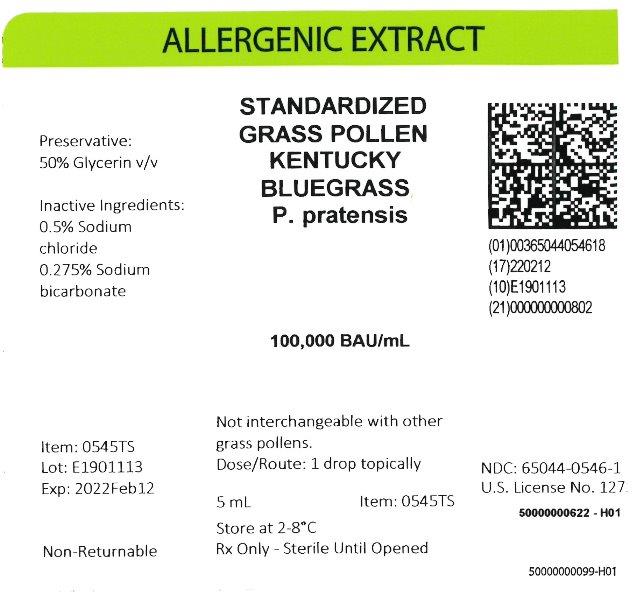
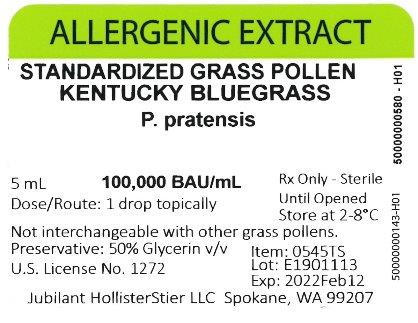
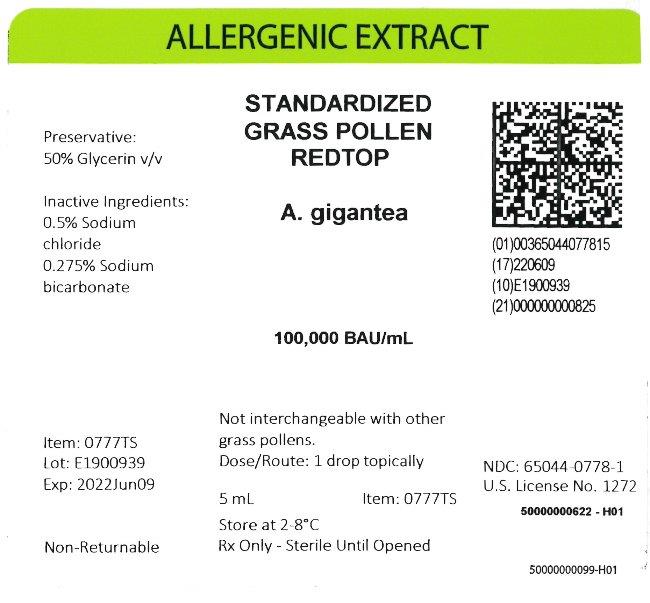
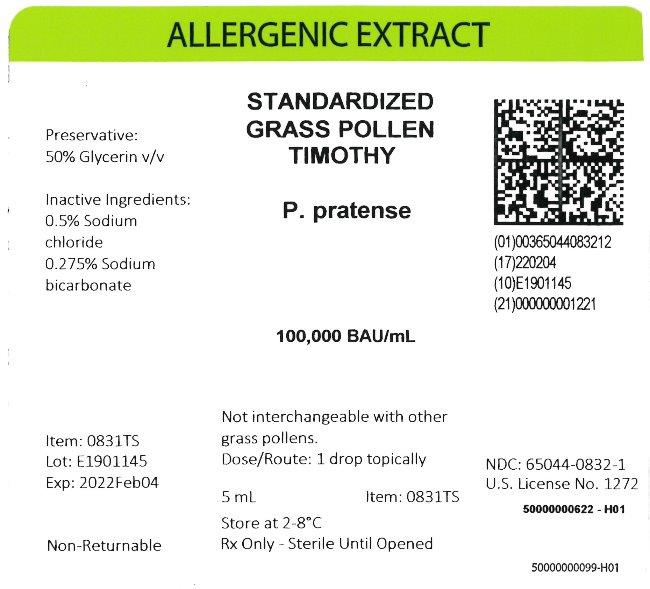
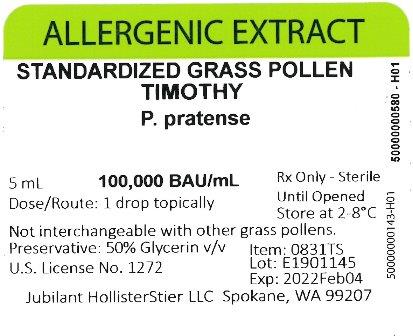
Prick/puncture tests, 10,000 BAU/mL and 100,000 BAU/mL [50% glycerin (v/v)] in 5 mL dropper vial.
Intradermal Tests [Aqueous] of 100 BAU/mL in 5 mL vial, and 1,000 BAU/mL in 5 mL vial.
(Intradermal test solutions may contain up to 5% glycerin.)
*Bermuda grass, 10,000 BAU/mL is highest concentration.
Bulk Therapeutics [50% glycerin (v/v)] in multiple dose vials:
Extracts: Pollens*
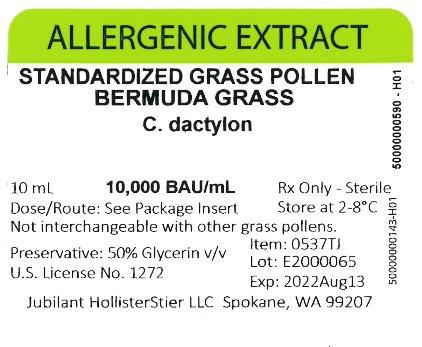
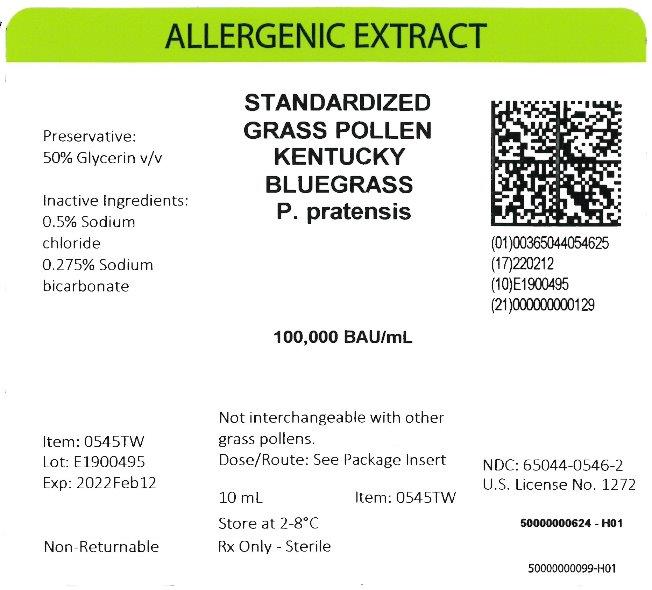
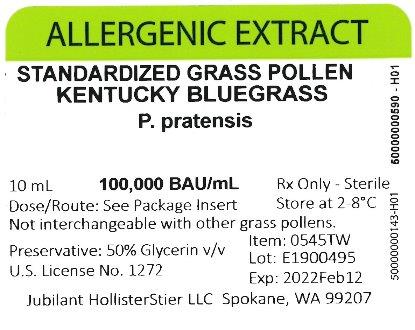
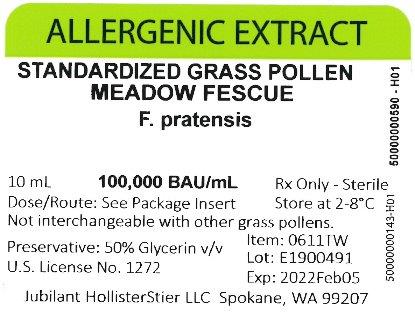
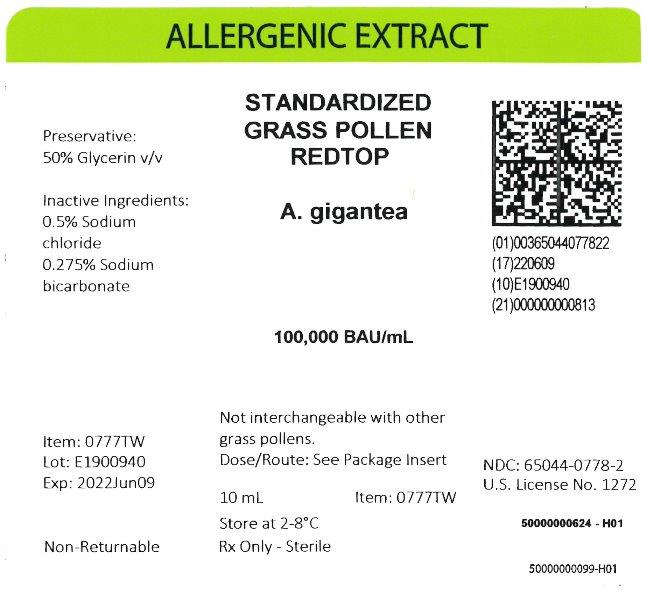
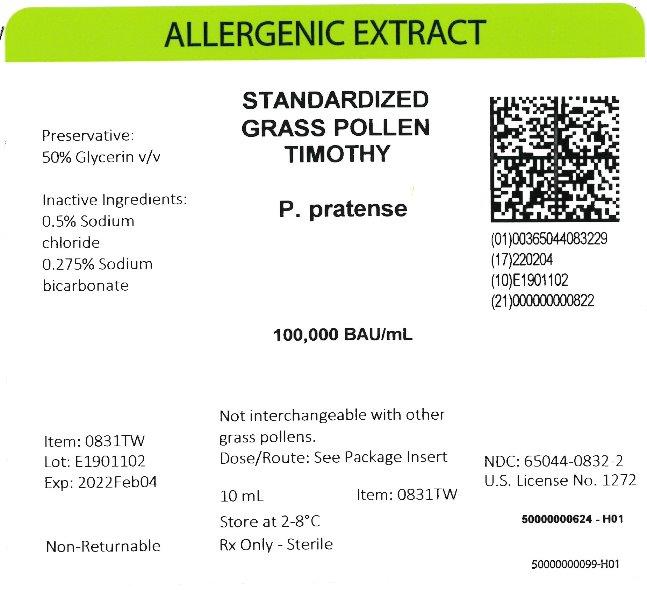
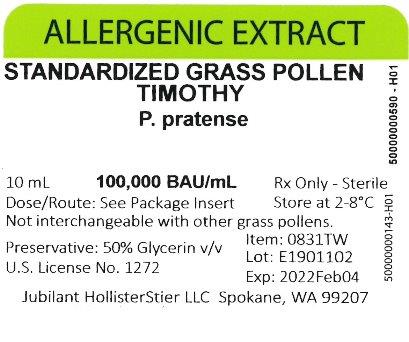
10 mL vial, in strengths of 100,000 BAU/mL and 10,000 BAU/mL
30 mL vial, in strengths of 100,000 BAU/mL and 10,000 BAU/mL
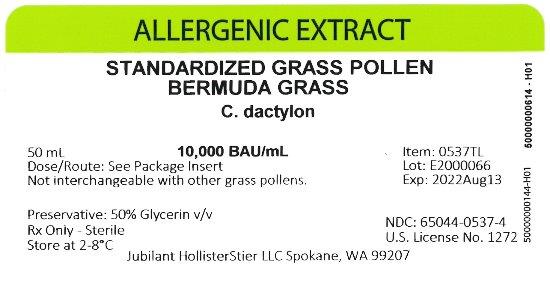
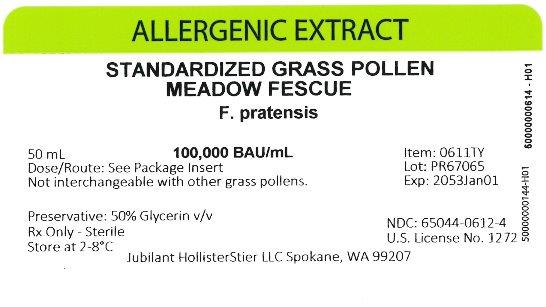
50 mL vial, in strengths of 100,000 BAU/mL and 10,000 BAU/mL
*Bermuda grass, 10,000 BAU/mL only.
STORAGE
The expiration date of pollen extract in 50% glycerin is listed on the container label. The extract should be stored at 2°- 8°C. Dilutions containing less than 50% glycerin are less stable and, if loss of potency is suspected, should be checked by skin testing with equal units of a freshly prepared dilution on known pollen allergic individuals. The expiration date of the intradermal tests is listed on container labels. Store at 2°- 8°C.
LIMITED WARRANTY
A number of factors beyond our control could reduce the efficacy of this product or even result in an ill effect following its use. These include storage and handling of the product after it leaves our hands, diagnosis, dosage, method of administration and biological differences in individual patients. Because of these factors, it is important that this product be stored properly and that the directions be followed carefully during use. No warranty, express or implied, including any warranty of merchantability or fitness, is made. Representatives of the Company are not authorized to vary the terms or the contents of any printed labeling, including the package insert, for this product except by printed notice from the Company's headquarters. The prescriber and user of this product must accept the terms hereof.
REFERENCES
1. Lockey, Richard F., Linda M. Benedict, Paul C. Turkeltaub, Samuel C. Bukantz. Fatalities from immunotherapy (IT) and skin testing (ST). J. Allergy Clin. Immunol., 79 (4): 660-677, 1987.
2. U.S. Food and Drug Administration (FDA), Center for Biologics Evaluation and Research (CBER). ELISA competition assay (Enzyme-linked Immunosorbent Assay). Methods of Allergenic Products Testing Laboratory. October 1993. CBER Docket No. 94N.0012.
3. U.S. Food and Drug Administration, Center for Biologics Evaluation and Research, Data on file.
4. Peebles, Ray Stokes, Jr., B. Bochner, Howard J. Zeitz, ed. Anaphylaxis in the elderly. Immunology and Allergy Clinics of North America. 13 (3): 627-646, August 1993.
5. Turkeltaub, P., S. Rastogi. Quantitative intradermal test procedure for evaluation of subject sensitivity to standardized allergenic extracts and for assignment of bioequivalent allergy units to reference preparations using the ID50EAL method, Allergenic Products Testing Laboratory, Center for Biologics Evaluation and Research (CBER), FDA. Revised November 1994.
6. Lowell, F. C., W. Franklin. A "double-blind" study of treatment with aqueous allergenic extracts in cases of allergic rhinitis. J. Allergy, 34 (2): 165-182, 1983.
7. Lowell, F. C., W. Franklin. A double-blind study of the effectiveness and specificity of injection therapy in ragweed hay fever. N. Eng. J. Med., 273 (13): 675-679, 1965.
8. Zavazal, V., A. Stajner. Immunologic changes during specific treatment of the atopic state. II. Acta. Allergol., 25 (1): 11-17, 1970.
9. Reisman, R.E., J.I. Wypych, E.E. Arbesman. Relationship of immunotherapy, seasonal pollen exposure and clinical response to serum concentrations of total IgE and ragweed-specific IgE. Int. Arch. Allergy Appl. Immunol., 48 (6): 721-730, 1975.
10. Taylor, W.W., J.L. Ohman, F. C. Lowell. Immunotherapy in cat-induced asthma; double-blind trial with evaluation of bronchial responses to cat allergen and histamine. J. Allergy and Clin. Immunol., 61 (5): 283-287, 1978.
11. Smith, A. P. Hyposensitization with Dermatophagoides pteronyssinus antigen: trial in asthma induced by house dust. Br. Med. J., 4: 204-206, 1971.
12. Chapman, M.D., T.A.E. Platts-Mills, M. Gabriel, H.K. Ng, W. G. L. Allen, L. E. Hill, A. J. Nunn. Antibody response following prolonged hyposensitization with Dermatophagoides pteronyssinus extract. Int. Arch. Allergy Appl. Immunol., 61: 431-440, 1980.
13. Norman, P.S. Postgraduate Course Presentation. An overview of immunotherapy, implications for the future. J. Allergy Clin. Immunol., 65 (2): 87-96, 1980.
14. Norman, P.S., W. L. Winkenwerder. Maintenance immunotherapy in ragweed hay fever. J. Allergy, 74: 273-282, 1971.
15. Norman, P.S., W. L. Winkenwerder, L. M. Lichtenstein. Immunotherapy of hay fever with ragweed antigen E; comparisons with whole pollen extract and placebos. J. Allergy, 42: 93-108, 1968.
16. Sheldon, J. M., R. G. Lovell, K. P. Matthews. A Manual of Clinical Allergy. Second Edition. W.B. Saunders, Philadelphia, 1967, pp. 107-112.
17. Sherman, W. B. Hypersensitivity mechanism and management. W. B. Sanders, Philadelphia, 1968, pp. 169-172.
18. Swineford, O. Asthma and Hay Fever. Charles C. Thomas, Springfield, IL, 1971, pp. 148-155.
19. Jacobs, R. L., G. W. Rake, Jr., et al. Potentiated anaphylaxis in patients with drug-induced beta-adrenergic blockade. J. Allergy and Clin. Immunol., 68 (2): 125-127, August 1981.
20. Patterson, Roy, et al. Allergy Principles and Practice, 2nd ed. E. Middleton, Jr., C.E. Reed, E.F. Ellis, Ed., C.V. Mosby Co., 1983, St. Louis, MO, 1983, Chapter 52.
21. Levy, D.A., L.M. Lichtenstein, E.O. Goldstein, and K. Ishizaka. Immunologic and cellular changes accompanying the therapy of pollen allergy. J. Clinical Investigation, 50:360, 1971.
22. Turkeltaub, Paul C., MD, and Peter J. Gergen, MD. The risk of adverse reactions from percutaneous prick-puncture allergen skin testing, venipuncture, and body measurements: data from the Second National Health and Nutrition Examination Survey, 1976-80 (NHANES II). J. Allergy Clin. Immunol. 84(6): 886-890, Dec. 1989.
23. Pipkorn, Ulf. Pharmacological influence of anti-allergic medication on In Vivo allergen testing. Allergy. 43: 81-86, 1988.
24. Andersson, M. and U. Pipkorn. Inhibition of the dermal immediate allergic reaction through prolonged treatment with topical glucocorticosteroids. J. Allergy Clin. Immunol. 79 (2): 345-349, Feb. 1987.
25. Rao, Kamineni S., et al. Duration of suppressive effect of tricyclic anti-depressants on histamine induced wheal and flare reactions on human skin. J. Allergy Clin. Immunol. 82: 752-757, November 1988.
26. Pipkorn, Ulf, and M. Andersson. Topical dermal anesthesia inhibits the flare but not the wheal response to allergen and histamine in the skin prick test. Clinical Allergy. 17: 307-311, 1987.
27. Pauli, G., J.C. Bessot, R. Thierry and A. Lamensons. Correlation between skin, inhalation tests and specific IgE in a study of 120 subjects to house dust and D. pteronyssinus. Clin. Allergy. 7:337, 1977.
28. Murray, A.B., A.C. Ferguson and B.J. Morrison. Diagnosis of house dust mite allergy in asthamatic children. What constitutes positive history? J. Allergy Clin. Immunol. 71: 21, 1983.
29. Metzger, W.J., E. Turner and R. Patterson. The safety of immunotherapy during pregnancy. J. Allergy Clin. Immunol. 61 (4): 268-272, 1978.
30. Reid, M.J., R.F. Lockey, P.C. Turkletaub, T.A.E. Platts-Mills. Survey of fatalities from skin testing and immunotherapy. J. Allergy Clin. Immunol. 92 (1): 6-15, July 1993.
31. Reid, M.J., G. Gurka. Deaths associated with skin testing and immunotherapy. J. Allergy Clin. Immunol. 97(1) Part 3:231, Abstract 195, January 1996.
32. Thompson, R.A. et al, report of a WHO/IUIS working group. The current status of allergen immunotherapy (hyposensitization). Allergy. 44: 369-379, 1989.
33. Malling, H.-J., B. Weeke, et al, The European Academy of Allergology and Clinical Immunology. Position Papers. Allergy. 48 (Supplement 14): 9-82, 1993.