FULL PRESCRIBING INFORMATION
WARNING: ABUSE, MISUSE, AND ADDICTION
CONCERTA has a high potential for abuse and misuse, which can lead to the development of a substance use disorder, including addiction. Misuse and abuse of CNS stimulants, including CONCERTA, can result in overdose and death [see Overdosage (10)] , and this risk is increased with higher doses or unapproved methods of administration, such as snorting or injection.
Before prescribing CONCERTA, assess each patient's risk for abuse, misuse, and addiction. Educate patients and their families about these risks, proper storage of the drug, and proper disposal of any unused drug. Throughout CONCERTA treatment, reassess each patient's risk of abuse, misuse, and addiction and frequently monitor for signs and symptoms of abuse, misuse, and addiction [see Warnings and Precautions (5.1)and Drug Abuse and Dependence (9.2)].
1 INDICATIONS AND USAGE
CONCERTA is indicated for the treatment of Attention Deficit Hyperactivity Disorder (ADHD) in children 6 years of age and older, adolescents, and adults up to the age of 65 [see Clinical Studies (14)] .
2 DOSAGE AND ADMINISTRATION
2.1 Pretreatment Screening
Prior to treating patients with CONCERTA, assess:
- for the presence of cardiac disease (i.e., perform a careful history, family history of sudden death or ventricular arrhythmia, and physical exam) [see Warnings and Precautions (5.2)].
- the family history and clinically evaluate patients for motor or verbal tics or Tourette's syndrome before initiating CONCERTA [see Warnings and Precautions (5.13)].
2.2 Recommended Dosage
CONCERTA should be administered orally once daily in the morning with or without food.
CONCERTA must be swallowed whole with the aid of liquids, and must not be chewed, divided, or crushed [see Patient Counseling Information (17)] .
2.3 Patients New to Methylphenidate
The recommended starting dose of CONCERTA for patients who are not currently taking methylphenidate or stimulants other than methylphenidate is 18 mg once daily for children and adolescents and 18 or 36 mg once daily for adults (see Table 1).
| Patient Age | Recommended Starting Dose | Dose Range |
|---|---|---|
| Children 6–12 years of age | 18 mg/day | 18 mg – 54 mg/day |
| Adolescents 13–17 years of age | 18 mg/day | 18 mg – 72 mg/day not to exceed 2 mg/kg/day |
| Adults 18–65 years of age | 18 or 36 mg/day | 18 mg – 72 mg/day |
2.4 Patients Currently Using Methylphenidate
The recommended dose of CONCERTA for patients who are currently taking methylphenidate twice daily or three times daily at doses of 10 to 60 mg/day is provided in Table 2. Dosing recommendations are based on current dose regimen and clinical judgment. Conversion dosage should not exceed 72 mg daily.
| Previous Methylphenidate Daily Dose | Recommended CONCERTA ®Starting Dose |
|---|---|
| 5 mg Methylphenidate twice daily or three times daily | 18 mg every morning |
| 10 mg Methylphenidate twice daily or three times daily | 36 mg every morning |
| 15 mg Methylphenidate twice daily or three times daily | 54 mg every morning |
| 20 mg Methylphenidate twice daily or three times daily | 72 mg every morning |
Other methylphenidate regimens: Clinical judgment should be used when selecting the starting dose.
2.5 Dose Titration
Doses may be increased in 18 mg increments at weekly intervals for patients who have not achieved an optimal response at a lower dose. Daily dosages above 54 mg in children and 72 mg in adolescents have not been studied and are not recommended. Daily dosages above 72 mg in adults are not recommended.
A 27 mg dosage strength is available for physicians who wish to prescribe between the 18 mg and 36 mg dosages.
3 DOSAGE FORMS AND STRENGTHS
CONCERTA (methylphenidate HCl) Extended-Release Tablets are available in the following dosage strengths: 18 mg tablets are yellow and imprinted with "alza 18," 27 mg tablets are gray and imprinted with "alza 27," 36 mg tablets are white and imprinted with "alza 36," and 54 mg tablets are brownish-red and imprinted with "alza 54."
4 CONTRAINDICATIONS
4.1 Hypersensitivity to Methylphenidate
Hypersensitivity reactions, such as angioedema and anaphylactic reactions, have been observed in patients treated with CONCERTA. Therefore, CONCERTA is contraindicated in patients known to be hypersensitive to methylphenidate or other components of the product [see Adverse Reactions (6.5)] .
4.2 Monoamine Oxidase Inhibitors
CONCERTA is contraindicated during treatment with monoamine oxidase (MAO) inhibitors, and also within a minimum of 14 days following discontinuation of a MAO inhibitor (hypertensive crises may result) [see Drug Interactions (7.1)] .
5 WARNINGS AND PRECAUTIONS
5.1 Abuse, Misuse, and Addiction
CONCERTA has a high potential for abuse and misuse. The use of CONCERTA exposes individuals to the risks of abuse and misuse, which can lead to the development of a substance use disorder, including addiction. CONCERTA can be diverted for non-medical use into illicit channels or distribution [see Drug Abuse and Dependence (9.2)] . Misuse and abuse of CNS stimulants, including CONCERTA, can result in overdose and death [see Overdosage (10)] , and this risk is increased with higher doses or unapproved methods of administration, such as snorting or injection.
Before prescribing CONCERTA, assess each patient's risk for abuse, misuse, and addiction. Educate patients and their families about these risks and proper disposal of any unused drug. Advise patients to store CONCERTA in a safe place, preferably locked, and instruct patients to not give CONCERTA to anyone else. Throughout CONCERTA treatment, reassess each patient's risk of abuse, misuse, and addiction and frequently monitor for signs and symptoms of abuse, misuse, and addiction.
5.2 Risks to Patients with Serious Cardiac Disease
Sudden death has been reported in patients with structural cardiac abnormalities or other serious cardiac disease who were treated with CNS stimulants at the recommended ADHD dosage.
Avoid CONCERTA use in patients with known structural cardiac abnormalities, cardiomyopathy, serious cardiac arrhythmia, coronary artery disease, or other serious cardiac disease.
5.3 Increased Blood Pressure and Heart Rate
CNS stimulants may cause an increase in blood pressure (mean increase approximately 2 to 4 mmHg) and heart rate (mean increase approximately 3 to 6 bpm). Some patients may have larger increases.
Monitor all CONCERTA-treated patients for hypertension and tachycardia.
5.4 Psychiatric Adverse Reactions
Exacerbation of Pre-existing Psychosis
CNS stimulants may exacerbate symptoms of behavior disturbance and thought disorder in patients with a pre-existing psychotic disorder.
Induction of a Manic Episode in Patients with Bipolar Disorder
CNS stimulants may induce a manic or mixed episode in patients. Prior to initiating CONCERTA treatment, screen patients for risk factors for developing a manic episode (e.g., comorbid or history of depressive symptoms or a family history of suicide, bipolar disorder, or depression).
New Psychotic or Manic Symptoms
CNS stimulants, at the recommended dosage, may cause psychotic or manic symptoms (e.g., hallucinations, delusional thinking, or mania) in patients without a prior history of psychotic illness or mania. In a pooled analysis of multiple short-term, placebo-controlled studies of CNS stimulants, psychotic or manic symptoms occurred in approximately 0.1% of CNS stimulant-treated patients, compared with 0% of placebo-treated patients. If such symptoms occur, consider discontinuing CONCERTA.
5.5 Seizures
There is some clinical evidence that stimulants may lower the convulsive threshold in patients with prior history of seizures, in patients with prior EEG abnormalities in absence of seizures, and, very rarely, in patients without a history of seizures and no prior EEG evidence of seizures. In the presence of seizures, the drug should be discontinued.
5.6 Priapism
Prolonged and painful erections, sometimes requiring surgical intervention, have been reported with methylphenidate use in both adult and pediatric male patients [see Adverse Reactions (6.5)] . Although priapism was not reported with methylphenidate initiation, it developed after some time on methylphenidate, often subsequent to an increase in dosage. Priapism also occurred during methylphenidate withdrawal (drug holidays or during discontinuation).
CONCERTA-treated patients who develop abnormally sustained or frequent and painful erections should seek immediate medical attention.
5.7 Peripheral Vasculopathy, including Raynaud's Phenomenon
CNS stimulants, including CONCERTA, used to treat ADHD are associated with peripheral vasculopathy, including Raynaud's phenomenon. Signs and symptoms are usually intermittent and mild; however, sequelae have included digital ulceration and/or soft tissue breakdown. Effects of peripheral vasculopathy, including Raynaud's phenomenon, were observed in post-marketing reports and at the therapeutic dosages of CNS stimulants in all age groups throughout the course of treatment. Signs and symptoms generally improved after dosage reduction or discontinuation of the CNS stimulant.
Careful observation for digital changes is necessary during CONCERTA treatment. Further clinical evaluation (e.g., rheumatology referral) may be appropriate for CONCERTA-treated patients who develop signs or symptoms of peripheral vasculopathy.
5.8 Long-Term Suppression of Growth in Pediatric Patients
CNS stimulants have been associated with weight loss and slowing of growth rate in pediatric patients.
Careful follow-up of weight and height in children ages 7 to 10 years who were randomized to either methylphenidate or nonmedication treatment groups over 14 months, as well as in naturalistic subgroups of newly methylphenidate-treated and nonmedication-treated children over 36 months (to the ages of 10 to 13 years), suggests that pediatric patients who received methylphenidate for 7 days per week throughout the year had a temporary slowing in growth rate (on average, a total of about 2 cm less growth in height and 2.7 kg less growth in weight over 3 years), without evidence of growth rebound during this development period. Closely monitor growth (weight and height) in CONCERTA-treated pediatric patients. Pediatric patients who are not growing or gaining height or weight as expected may need to have their treatment interrupted.
5.9 Potential for Gastrointestinal Obstruction
Because the CONCERTA tablet is nondeformable and does not appreciably change in shape in the GI tract, CONCERTA should not ordinarily be administered to patients with preexisting severe gastrointestinal narrowing (pathologic or iatrogenic, for example: esophageal motility disorders, small bowel inflammatory disease, "short gut" syndrome due to adhesions or decreased transit time, past history of peritonitis, cystic fibrosis, chronic intestinal pseudo-obstruction, or Meckel's diverticulum). There have been rare reports of obstructive symptoms in patients with known strictures in association with the ingestion of drugs in nondeformable controlled-release formulations. Due to the controlled-release design of the tablet, CONCERTA should be used only in patients who are able to swallow the tablet whole [see Patient Counseling Information (17)] .
5.10 Hematologic Monitoring
Periodic CBC, differential, and platelet counts are advised during prolonged therapy.
5.11 Acute Angle Closure Glaucoma
There have been rare reports of angle closure glaucoma associated with methylphenidate treatment.
Although the mechanism is not clear, CONCERTA-treated patients considered at risk for acute angle closure glaucoma (e.g., patients with significant hyperopia) should be evaluated by an ophthalmologist.
5.12 Increased Intraocular Pressure and Glaucoma
There have been reports of an elevation of intraocular pressure (IOP) associated with methylphenidate treatment [see Adverse Reactions (6.5)].
Prescribe CONCERTA to patients with open-angle glaucoma or abnormally increased IOP only if the benefit of treatment is considered to outweigh the risk. Closely monitor CONCERTA-treated patients with a history of abnormally increased IOP or open angle glaucoma.
5.13 Motor and Verbal Tics, and Worsening of Tourette's Syndrome
CNS stimulants, including methylphenidate, have been associated with the onset or exacerbation of motor and verbal tics [see Adverse Reactions (6.2, 6.5)] . Worsening of Tourette's syndrome has also been reported .
Before initiating CONCERTA, assess the family history and clinically evaluate patients for tics or Tourette's syndrome. Regularly monitor CONCERTA-treated patients for the emergence or worsening of tics or Tourette's syndrome, and discontinue treatment if clinically appropriate.
6 ADVERSE REACTIONS
The following are discussed in more detail in other sections of the labeling:
- Abuse, Misuse, and Addiction [see Boxed Warning, Warnings and Precautions (5.1)]
- Hypersensitivity to Methylphenidate [see Contraindications (4.1)]
- Monoamine Oxidase Inhibitors [see Contraindications (4.2)and Drug Interactions (7.1)]
- Risks to Patients with Serious Cardiac Disease [see Warnings and Precautions (5.2)]
- Increased Blood Pressure and Heart Rate [see Warnings and Precautions (5.3)]
- Psychiatric Adverse Reactions [see Warnings and Precautions (5.4)]
- Seizures [see Warnings and Precautions (5.5)]
- Priapism [see Warnings and Precautions (5.6)]
- Peripheral Vasculopathy, including Raynaud's Phenomenon [see Warnings and Precautions (5.7)]
- Long-Term Suppression of Growth in Pediatric Patients [see Warnings and Precautions (5.8)]
- Potential for Gastrointestinal Obstruction [see Warnings and Precautions (5.9)]
- Hematologic Monitoring [see Warnings and Precautions (5.10)]
- Acute Angle Closure Glaucoma [see Warnings and Precautions (5.11)]
- Increased Intraocular Pressure and Glaucoma [see Warnings and Precautions (5.12)]
- Motor and Verbal Tics, and Worsening of Tourette's Syndrome [see Warnings and Precautions (5.13)]
The most common adverse reaction in double-blind clinical trials (>5%) in pediatric patients (children and adolescents) was abdominal pain upper. The most common adverse reactions in double-blind clinical trials (>5%) in adult patients were decreased appetite, headache, dry mouth, nausea, insomnia, anxiety, dizziness, weight decreased, irritability, and hyperhidrosis [see Adverse Reactions (6.1)].
The most common adverse reactions associated with discontinuation (≥1%) from either pediatric or adult clinical trials were anxiety, irritability, insomnia, and blood pressure increased [see Adverse Reactions (6.3)].
The development program for CONCERTA included exposures in a total of 3906 participants in clinical trials. Children, adolescents, and adults with ADHD were evaluated in 6 controlled clinical studies and 11 open-label clinical studies (see Table 3). Safety was assessed by collecting adverse events, vital signs, weights, and ECGs, and by performing physical examinations and laboratory analyses.
| Patient Population | N | Dose Range |
|---|---|---|
| Children | 2216 | 18 to 54 mg once daily |
| Adolescents | 502 | 18 to 72 mg once daily |
| Adults | 1188 | 18 to 108 mg once daily |
Adverse events during exposure were obtained primarily by general inquiry and recorded by clinical investigators using their own terminology. Consequently, to provide a meaningful estimate of the proportion of individuals experiencing adverse events, events were grouped in standardized categories using MedDRA terminology.
The stated frequencies of adverse events represent the proportion of individuals who experienced, at least once, a treatment-emergent adverse event of the type listed. An event was considered treatment-emergent if it occurred for the first time or worsened while receiving therapy following baseline evaluation.
Throughout this section, adverse reactions are reported. Adverse reactions are adverse events that were considered to be reasonably associated with the use of CONCERTA based on the comprehensive assessment of the available adverse event information. A causal association for CONCERTA often cannot be reliably established in individual cases. Further, because clinical trials are conducted under widely varying conditions, adverse reaction rates observed in the clinical trials of a drug cannot be directly compared to rates in clinical trials of another drug and may not reflect the rates observed in clinical practice.
The majority of adverse reactions were mild to moderate in severity.
6.1 Commonly Observed Adverse Reactions in Double-Blind, Placebo-Controlled Clinical Trials
Adverse reactions in either the pediatric or adult double-blind adverse reactions tables may be relevant for both patient populations.
Children and Adolescents
Table 4 lists the adverse reactions reported in 1% or more of CONCERTA-treated children and adolescent subjects in 4 placebo-controlled, double-blind clinical trials.
| System/Organ Class
Adverse Reaction | CONCERTA
(n=321) % | Placebo
(n=318) % |
|---|---|---|
|
||
| Gastrointestinal Disorders | ||
| Abdominal pain upper | 6.2 | 3.8 |
| Vomiting | 2.8 | 1.6 |
| General Disorders and Administration Site Conditions | ||
| Pyrexia | 2.2 | 0.9 |
| Infections and Infestations | ||
| Nasopharyngitis | 2.8 | 2.2 |
| Nervous System Disorders | ||
| Dizziness | 1.9 | 0 |
| Psychiatric Disorders | ||
| Insomnia * | 2.8 | 0.3 |
| Respiratory, Thoracic and Mediastinal Disorders | ||
| Cough | 1.9 | 0.9 |
| Oropharyngeal pain | 1.2 | 0.9 |
The majority of adverse reactions were mild to moderate in severity.
Adults
Table 5 lists the adverse reactions reported in 1% or more of CONCERTA-treated adults in 2 placebo-controlled, double-blind clinical trials.
| System/Organ Class
Adverse Reaction | CONCERTA
(n=415) % | Placebo
(n=212) % |
|---|---|---|
|
||
| Cardiac Disorders | ||
| Tachycardia | 4.8 | 0 |
| Palpitations | 3.1 | 0.9 |
| Ear and Labyrinth Disorders | ||
| Vertigo | 1.7 | 0 |
| Eye Disorders | ||
| Vision blurred | 1.7 | 0.5 |
| Gastrointestinal Disorders | ||
| Dry mouth | 14.0 | 3.8 |
| Nausea | 12.8 | 3.3 |
| Dyspepsia | 2.2 | 0.9 |
| Vomiting | 1.7 | 0.5 |
| Constipation | 1.4 | 0.9 |
| General Disorders and Administration Site Conditions | ||
| Irritability | 5.8 | 1.4 |
| Infections and Infestations | ||
| Upper respiratory tract infection | 2.2 | 0.9 |
| Investigations | ||
| Weight decreased | 6.5 | 3.3 |
| Metabolism and Nutrition Disorders | ||
| Decreased appetite | 25.3 | 6.6 |
| Anorexia | 1.7 | 0 |
| Musculoskeletal and Connective Tissue Disorders | ||
| Muscle tightness | 1.9 | 0 |
| Nervous System Disorders | ||
| Headache | 22.2 | 15.6 |
| Dizziness | 6.7 | 5.2 |
| Tremor | 2.7 | 0.5 |
| Paresthesia | 1.2 | 0 |
| Sedation | 1.2 | 0 |
| Tension headache | 1.2 | 0.5 |
| Psychiatric Disorders | ||
| Insomnia | 12.3 | 6.1 |
| Anxiety | 8.2 | 2.4 |
| Initial insomnia | 4.3 | 2.8 |
| Depressed mood | 3.9 | 1.4 |
| Nervousness | 3.1 | 0.5 |
| Restlessness | 3.1 | 0 |
| Agitation | 2.2 | 0.5 |
| Aggression | 1.7 | 0.5 |
| Bruxism | 1.7 | 0.5 |
| Depression | 1.7 | 0.9 |
| Libido decreased | 1.7 | 0.5 |
| Affect lability | 1.4 | 0.9 |
| Confusional state | 1.2 | 0.5 |
| Tension | 1.2 | 0.5 |
| Respiratory, Thoracic and Mediastinal Disorders | ||
| Oropharyngeal pain | 1.7 | 1.4 |
| Skin and Subcutaneous Tissue Disorders | ||
| Hyperhidrosis | 5.1 | 0.9 |
The majority of ADRs were mild to moderate in severity.
6.2 Other Adverse Reactions Observed in CONCERTA Clinical Trials
This section includes adverse reactions reported by CONCERTA-treated subjects in double-blind trials that do not meet the criteria specified for Table 4 or Table 5 and all adverse reactions reported by CONCERTA-treated subjects who participated in open-label and postmarketing clinical trials.
Blood and Lymphatic System Disorders: Leukopenia
Eye Disorders: Accommodation disorder, Dry eye
Vascular Disorders: Hot flush
Gastrointestinal Disorders: Abdominal discomfort, Abdominal pain, Diarrhea
General Disorders and Administrative Site Conditions: Asthenia, Fatigue, Feeling jittery, Thirst
Infections and Infestations: Sinusitis
Investigations: Alanine aminotransferase increased, Blood pressure increased, Cardiac murmur, Heart rate increased
Musculoskeletal and Connective Tissue Disorders: Muscle spasms
Nervous System Disorders: Lethargy, Psychomotor hyperactivity, Somnolence
Psychiatric Disorders: Anger, Hypervigilance, Mood altered, Mood swings, Panic attack, Sleep disorder, Tearfulness, Tic
Reproductive System and Breast Disorders: Erectile dysfunction
Respiratory, Thoracic and Mediastinal Disorders: Dyspnea
Skin and Subcutaneous Tissue Disorders: Rash, Rash macular
Vascular Disorders: Hypertension
6.3 Discontinuation Due to Adverse Reactions
Adverse reactions in the 4 placebo-controlled studies of children and adolescents leading to discontinuation occurred in 2 CONCERTA patients (0.6%) including depressed mood (1, 0.3%) and headache and insomnia (1, 0.3%), and 6 placebo patients (1.9%) including headache and insomnia (1, 0.3%), irritability (2, 0.6%), headache (1, 0.3%), psychomotor hyperactivity (1, 0.3%), and tic (1, 0.3%).
In the 2 placebo-controlled studies of adults, 25 CONCERTA patients (6.0%) and 6 placebo patients (2.8%) discontinued due to an adverse reaction. Those events with an incidence of >0.5% in the CONCERTA patients included anxiety (1.7%), irritability (1.4%), blood pressure increased (1.0%), and nervousness (0.7%). In placebo patients, blood pressure increased and depressed mood had an incidence of >0.5% (0.9%).
In the 11 open-label studies of children, adolescents, and adults, 266 CONCERTA patients (7.0%) discontinued due to an adverse reaction. Those events with an incidence of >0.5% included insomnia (1.2%), irritability (0.8%), anxiety (0.7%), decreased appetite (0.7%), and tic (0.6%).
6.4 Blood Pressure and Heart Rate Increases
In the laboratory classroom clinical trials in children (Studies 1 and 2), both CONCERTA once daily and methylphenidate three times daily increased resting pulse by an average of 2 to 6 bpm and produced average increases of systolic and diastolic blood pressure of roughly 1 to 4 mm Hg during the day, relative to placebo. In the placebo-controlled adolescent trial (Study 4), mean increases from baseline in resting pulse rate were observed with CONCERTA and placebo at the end of the double-blind phase (5 and 3 beats/minute, respectively). Mean increases from baseline in blood pressure at the end of the double-blind phase for CONCERTA ®and placebo-treated patients were 0.7 and 0.7 mm Hg (systolic) and 2.6 and 1.4 mm Hg (diastolic), respectively. In one placebo-controlled study in adults (Study 6), dose-dependent mean increases of 3.9 to 9.8 bpm from baseline in standing pulse rate were observed with CONCERTA at the end of the double-blind treatment vs. an increase of 2.7 beats/minute with placebo. Mean changes from baseline in standing blood pressure at the end of double-blind treatment ranged from 0.1 to 2.2 mm Hg (systolic) and -0.7 to 2.2 mm Hg (diastolic) for CONCERTA and was 1.1 mm Hg (systolic) and -1.8 mm Hg (diastolic) for placebo. In a second placebo-controlled study in adults (Study 5), mean changes from baseline in resting pulse rate were observed for CONCERTA and placebo at the end of the double-blind treatment (3.6 and –1.6 beats/minute, respectively). Mean changes from baseline in blood pressure at the end of the double–blind treatment for CONCERTA and placebo-treated patients were –1.2 and –0.5 mm Hg (systolic) and 1.1 and 0.4 mm Hg (diastolic), respectively [see Warnings and Precautions (5.3)] .
6.5 Postmarketing Experience
The following additional adverse reactions have been identified during postapproval use of CONCERTA. Because these reactions are reported voluntarily from a population of uncertain size, it is not always possible to reliably estimate their frequency:
Blood and Lymphatic System Disorders: Pancytopenia, Thrombocytopenia, Thrombocytopenic purpura
Cardiac Disorders: Angina pectoris, Bradycardia, Extrasystoles, Supraventricular tachycardia, Ventricular extrasystoles
Eye Disorders: Diplopia, Increased intraocular pressure, Mydriasis, Visual impairment
General Disorders: Chest pain, Chest discomfort, Drug effect decreased, Hyperpyrexia, Therapeutic response decreased
Hepatobiliary disorders: Hepatocellular injury, Acute hepatic failure
Immune System Disorders: Hypersensitivity reactions such as Angioedema, Anaphylactic reactions, Auricular swelling, Bullous conditions, Exfoliative conditions, Urticarias, Pruritus NEC, Rashes, Eruptions, and Exanthemas NEC
Investigations: Blood alkaline phosphatase increased, Blood bilirubin increased, Hepatic enzyme increased, Platelet count decreased, White blood cell count abnormal
Musculoskeletal, Connective Tissue and Bone Disorders: Arthralgia, Myalgia, Muscle twitching, Rhabdomyolysis
Nervous System Disorders: Convulsion, Grand mal convulsion, Dyskinesia, Serotonin syndrome in combination with serotonergic drugs, Motor and Verbal Tics
Psychiatric Disorders: Disorientation, Hallucination, Hallucination auditory, Hallucination visual, Mania, Logorrhea, Libido changes
Reproductive System and Breast Disorders: Priapism
Skin and Subcutaneous Tissue Disorders: Alopecia, Erythema
Vascular Disorders: Raynaud's phenomenon
7 DRUG INTERACTIONS
7.1 MAO Inhibitors
CONCERTA should not be used in patients being treated (currently or within the preceding 2 weeks) with MAO inhibitors [see Contraindications (4.2)] .
7.2 Vasopressor Agents
Because of possible increases in blood pressure, CONCERTA should be used cautiously with vasopressor agents [see Warnings and Precautions (5.3)] .
7.3 Coumarin Anticoagulants, Antidepressants, and Selective Serotonin Reuptake Inhibitors
Human pharmacologic studies have shown that methylphenidate may inhibit the metabolism of coumarin anticoagulants, anticonvulsants (eg, phenobarbital, phenytoin, primidone), and some antidepressants (tricyclics and selective serotonin reuptake inhibitors). Downward dose adjustment of these drugs may be required when given concomitantly with methylphenidate. It may be necessary to adjust the dosage and monitor plasma drug concentrations (or, in the case of coumarin, coagulation times), when initiating or discontinuing concomitant methylphenidate.
8 USE IN SPECIFIC POPULATIONS
8.1 Pregnancy
Pregnancy Category C
Methylphenidate has been shown to have teratogenic effects in rabbits when given in doses of 200 mg/kg/day, which is approximately 100 times and 40 times the maximum recommended human dose on a mg/kg and mg/m 2basis, respectively.
A reproduction study in rats revealed no evidence of harm to the fetus at oral doses up to 30 mg/kg/day, approximately 15-fold and 3-fold the maximum recommended human dose of CONCERTA on a mg/kg and mg/m 2basis, respectively. The approximate plasma exposure to methylphenidate plus its main metabolite PPAA in pregnant rats was 1–2 times that seen in trials in volunteers and patients with the maximum recommended dose of CONCERTA based on the AUC.
The safety of methylphenidate for use during human pregnancy has not been established. There are no adequate and well-controlled studies in pregnant women. CONCERTA should be used during pregnancy only if the potential benefit justifies the potential risk to the fetus.
8.3 Nursing Mothers
It is not known whether methylphenidate is excreted in human milk. Because many drugs are excreted in human milk, caution should be exercised if CONCERTA is administered to a nursing woman.
In lactating female rats treated with a single oral dose of 5 mg/kg radiolabeled methylphenidate, radioactivity (representing methylphenidate and/or its metabolites) was observed in milk and levels were generally similar to those in plasma.
9 DRUG ABUSE AND DEPENDENCE
9.2 Abuse
CONCERTA has a high potential for abuse and misuse which can lead to the development of a substance use disorder, including addiction [see Warnings and Precautions (5.1)] . CONCERTA can be diverted for non-medical use into illicit channels or distribution.
Abuse is the intentional non-therapeutic use of a drug, even once, to achieve a desired psychological or physiological effect. Misuse is the intentional use, for therapeutic purposes, of a drug by an individual in a way other than prescribed by a health care provider or for whom it was not prescribed. Drug addiction is a cluster of behavioral, cognitive, and physiological phenomena that may include a strong desire to take the drug, difficulties in controlling drug use (e.g., continuing drug use despite harmful consequences, giving a higher priority to drug use than other activities and obligations), and possible tolerance or physical dependence.
Misuse and abuse of methylphenidate may cause increased heart rate, respiratory rate, or blood pressure; sweating; dilated pupils; hyperactivity; restlessness; insomnia; decreased appetite; loss of coordination; tremors; flushed skin; vomiting; and/or abdominal pain. Anxiety, psychosis, hostility, aggression, and suicidal or homicidal ideation have also been observed with CNS stimulants abuse and/or misuse. Misuse and abuse of CNS stimulants, including CONCERTA, can result in overdose and death [see Overdosage (10)] , and this risk is increased with higher doses or unapproved methods of administration, such as snorting or injection.
In two placebo-controlled human abuse potential studies, single oral doses of CONCERTA were compared to single oral doses of immediate-release methylphenidate (IR MPH) and placebo in subjects with a history of recreational stimulant use to assess relative abuse potential. For the purpose of this assessment, the response for each of the subjective measures was defined as the maximum effect within the first 8 hours after dose administration.
In one study (n=40), both CONCERTA (108 mg) and 60 mg IR MPH compared to placebo produced statistically significantly greater responses on the five subjective measures suggestive of abuse potential. In comparisons between the two active treatments, however, CONCERTA (108 mg) produced variable responses on positive subjective measures that were either statistically indistinguishable from (Abuse Potential, Drug Liking, Amphetamine, and Morphine Benzedrine Group [Euphoria]) or statistically less than (Stimulation – Euphoria) responses produced by 60 mg IR MPH.
In another study (n=49), both doses of CONCERTA (54 mg and 108 mg) and both doses of IR MPH (50 mg and 90 mg) produced statistically significantly greater responses compared to placebo on the two primary scales used in the study (Drug Liking, Euphoria). When doses of CONCERTA (54 mg and 108 mg) were compared to IR MPH (50 mg and 90 mg), respectively, CONCERTA produced statistically significantly lower subjective responses on these two scales than IR MPH. CONCERTA (108 mg) produced responses that were statistically indistinguishable from the responses on these two scales produced by IR MPH (50 mg). Differences in subjective responses to the respective doses should be considered in the context that only 22% of the total amount of methylphenidate in CONCERTA tablets is available for immediate release from the drug overcoat [see System Components and Performance (11.1)] .
Although these findings reveal a relatively lower response to CONCERTA on subjective measures suggestive of abuse potential compared to IR MPH at roughly equivalent total MPH doses, the relevance of these findings to the abuse potential of CONCERTA in the community is unknown.
9.3 Dependence
Physical Dependence
CONCERTA may produce physical dependence. Physical dependence is a state that develops as a result of physiological adaptation in response to repeated drug use, manifested by withdrawal signs and symptoms after abrupt discontinuation or a significant dose reduction of a drug.
Withdrawal signs and symptoms after abrupt discontinuation or dose reduction following prolonged use of CNS stimulants including CONCERTA include dysphoric mood; depression; fatigue; vivid, unpleasant dreams; insomnia or hypersomnia; increased appetite; and psychomotor retardation or agitation.
10 OVERDOSAGE
10.1 Clinical Effects of Overdose
Overdose of CNS stimulants is characterized by the following sympathomimetic effects:
- Cardiovascular effects including tachyarrhythmias, and hypertension or hypotension. Vasospasm, myocardial infarction, or aortic dissection may precipitate sudden cardiac death. Takotsubo cardiomyopathy may develop.
- CNS effects including psychomotor agitation, confusion, and hallucinations. Serotonin syndrome, seizures, cerebral vascular accidents, and coma may occur.
- Life-threatening hyperthermia (temperatures greater than 104°F) and rhabdomyolysis may develop.
10.2 Overdose Management
Consider the possibility of multiple drug ingestion. The pharmacokinetic profile of CONCERTA should be considered when treating patients with overdose. Because methylphenidate has a large volume of distribution and is rapidly metabolized, dialysis is not useful. Consider contacting the Poison Help line (1-800-222-1222) or a medical toxicologist for additional overdose management recommendations.
11 DESCRIPTION
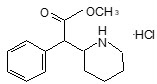
CONCERTA ®is a central nervous system (CNS) stimulant. CONCERTA is available in four tablet strengths. Each extended-release tablet for once-a-day oral administration contains 18, 27, 36, or 54 mg of methylphenidate HCl USP and is designed to have a 12-hour duration of effect. Chemically, methylphenidate HCl is d,l (racemic) methyl α-phenyl-2-piperidineacetate hydrochloride. Its empirical formula is C 14H 19NO 2∙HCl. Its structural formula is:
Methylphenidate HCl USP is a white, odorless crystalline powder. Its solutions are acid to litmus. It is freely soluble in water and in methanol, soluble in alcohol, and slightly soluble in chloroform and in acetone. Its molecular weight is 269.77.
CONCERTA also contains the following inert ingredients: butylated hydroxytoluene, carnauba wax, cellulose acetate, hypromellose, lactose, phosphoric acid, poloxamer, polyethylene glycol, polyethylene oxides, povidone, propylene glycol, sodium chloride, stearic acid, succinic acid, synthetic iron oxides, titanium dioxide, and triacetin.
11.1 System Components and Performance
CONCERTA uses osmotic pressure to deliver methylphenidate HCl at a controlled rate. The system, which resembles a conventional tablet in appearance, comprises an osmotically active trilayer core surrounded by a semipermeable membrane with an immediate-release drug overcoat. The trilayer core is composed of two drug layers containing the drug and excipients, and a push layer containing osmotically active components. There is a precision-laser drilled orifice on the drug-layer end of the tablet. In an aqueous environment, such as the gastrointestinal tract, the drug overcoat dissolves within one hour, providing an initial dose of methylphenidate. Water permeates through the membrane into the tablet core. As the osmotically active polymer excipients expand, methylphenidate is released through the orifice. The membrane controls the rate at which water enters the tablet core, which in turn controls drug delivery. Furthermore, the drug release rate from the system increases with time over a period of 6 to 7 hours due to the drug-concentration gradient incorporated into the two drug layers of CONCERTA. The biologically inert components of the tablet remain intact during gastrointestinal transit and are eliminated in the stool as a tablet shell along with insoluble core components. It is possible that CONCERTA extended-release tablets may be visible on abdominal x-rays under certain circumstances, especially when digital enhancing techniques are utilized.
12 CLINICAL PHARMACOLOGY
12.1 Mechanism of Action
Methylphenidate HCl is a central nervous system (CNS) stimulant. The mode of therapeutic action in Attention Deficit Hyperactivity Disorder (ADHD) is not known. Methylphenidate is thought to block the reuptake of norepinephrine and dopamine into the presynaptic neuron and increase the release of these monoamines into the extraneuronal space.
12.2 Pharmacodynamics
Methylphenidate is a racemic mixture comprised of the d- and l-isomers. The d-isomer is more pharmacologically active than the l-isomer.
12.3 Pharmacokinetics
Absorption
Methylphenidate is readily absorbed. Following oral administration of CONCERTA, plasma methylphenidate concentrations increase rapidly, reaching an initial maximum at about 1 hour, followed by gradual ascending concentrations over the next 5 to 9 hours, after which a gradual decrease begins. Mean times to reach peak plasma concentrations across all doses of CONCERTA occurred between 6 and 10 hours.
CONCERTA once daily minimizes the fluctuations between peak and trough concentrations associated with immediate-release methylphenidate three times daily (see Figure 1). The relative bioavailability of CONCERTA once daily and methylphenidate three times daily in adults is comparable.
Figure 1.Mean methylphenidate plasma concentrations in 36 adults, following a single dose of CONCERTA 18 mg once daily and immediate-release methylphenidate 5 mg three times daily administered every 4 hours.
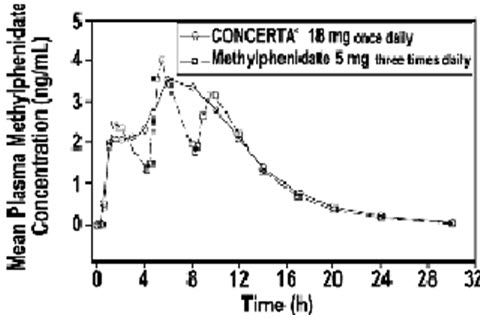
The mean single-dose pharmacokinetic parameters in 36 healthy adults following the administration of CONCERTA 18 mg once daily and methylphenidate 5 mg three times daily are summarized in Table 6.
| Parameters | CONCERTA
(18 mg once daily) (n=36) | Methylphenidate
(5 mg three times daily) (n=35) |
|---|---|---|
| C max(ng/mL) | 3.7 ± 1.0 | 4.2 ± 1.0 |
| T max(h) | 6.8 ± 1.8 | 6.5 ± 1.8 |
| AUC inf(ng∙h/mL) | 41.8 ± 13.9 | 38.0 ± 11.0 |
| t ½(h) | 3.5 ± 0.4 | 3.0 ± 0.5 |
The pharmacokinetics of CONCERTA were evaluated in healthy adults following single- and multiple-dose administration (steady state) of doses up to 144 mg/day. The mean half-life was about 3.6 hours. No differences in the pharmacokinetics of CONCERTA were noted following single and repeated once-daily dosing, indicating no significant drug accumulation. The AUC and t 1/2following repeated once-daily dosing are similar to those following the first dose of CONCERTA in a dose range of 18 to 144 mg.
Dose Proportionality
Following administration of CONCERTA in single doses of 18, 36, and 54 mg/day to healthy adults, C maxand AUC (0–inf)of d-methylphenidate were proportional to dose, whereas l-methylphenidate C maxand AUC (0–inf)increased disproportionately with respect to dose. Following administration of CONCERTA, plasma concentrations of the l-isomer were approximately 1/40 the plasma concentrations of the d-isomer.
In healthy adults, single and multiple dosing of once-daily CONCERTA doses from 54 to 144 mg/day resulted in linear and dose-proportional increases in C maxand AUC inffor total methylphenidate (MPH) and its major metabolite, α-phenyl-piperidine acetic acid (PPAA). There was no time dependency in the pharmacokinetics of methylphenidate. The ratio of metabolite (PPAA) to parent drug (MPH) was constant across doses from 54 to 144 mg/day, both after single dose and upon multiple dosing.
In a multiple-dose study in adolescent ADHD patients aged 13 to 16 administered their prescribed dose (18 to 72 mg/day) of CONCERTA, mean C maxand AUC TAUof d- and total methylphenidate increased proportionally with respect to dose.
Distribution
Plasma methylphenidate concentrations in adults and adolescents decline biexponentially following oral administration. The half-life of methylphenidate in adults and adolescents following oral administration of CONCERTA was approximately 3.5 hours.
Metabolism and Excretion
In humans, methylphenidate is metabolized primarily by de-esterification to PPAA, which has little or no pharmacologic activity. In adults the metabolism of CONCERTA once daily as evaluated by metabolism to PPAA is similar to that of methylphenidate three times daily. The metabolism of single and repeated once-daily doses of CONCERTA is similar.
After oral dosing of radiolabeled methylphenidate in humans, about 90% of the radioactivity was recovered in urine. The main urinary metabolite was PPAA, accounting for approximately 80% of the dose.
Food Effects
In patients, there were no differences in either the pharmacokinetics or the pharmacodynamic performance of CONCERTA when administered after a high-fat breakfast. There is no evidence of dose dumping in the presence or absence of food.
Alcohol Effect
An in vitrostudy was conducted to explore the effect of alcohol on the release characteristics of methylphenidate from the CONCERTA 18 mg tablet dosage form. At an alcohol concentration up to 40% there was no increased release of methylphenidate in the first hour. The results with the 18 mg tablet strength are considered representative of the other available tablet strengths.
Special Populations
Gender
In healthy adults, the mean dose-adjusted AUC (0–inf)values for CONCERTA were 36.7 ng∙h/mL in men and 37.1 ng∙h/mL in women, with no differences noted between the two groups.
Race
In adults receiving CONCERTA, dose-adjusted AUC (0–inf)was consistent across ethnic groups; however, the sample size may have been insufficient to detect ethnic variations in pharmacokinetics.
Age
Increase in age resulted in increased apparent oral clearance (CL/F) (58% increase in adolescents compared to children). Some of these differences could be explained by body-weight differences among these populations. This suggests that subjects with higher body weight may have lower exposures of total methylphenidate at similar doses.
The pharmacokinetics of CONCERTA have not been studied in children less than 6 years of age.
Renal Insufficiency
There is no experience with the use of CONCERTA in patients with renal insufficiency. After oral administration of radiolabeled methylphenidate in humans, methylphenidate was extensively metabolized and approximately 80% of the radioactivity was excreted in the urine in the form of PPAA. Since renal clearance is not an important route of methylphenidate clearance, renal insufficiency is expected to have little effect on the pharmacokinetics of CONCERTA.
13 NONCLINICAL TOXICOLOGY
13.1 Carcinogenesis, Mutagenesis, and Impairment of Fertility
Carcinogenesis
In a lifetime carcinogenicity study carried out in B6C3F1 mice, methylphenidate caused an increase in hepatocellular adenomas and, in males only, an increase in hepatoblastomas at a daily dose of approximately 60 mg/kg/day. This dose is approximately 30 times and 4 times the maximum recommended human dose of CONCERTA on a mg/kg and mg/m 2basis, respectively. Hepatoblastoma is a relatively rare rodent malignant tumor type. There was no increase in total malignant hepatic tumors. The mouse strain used is sensitive to the development of hepatic tumors, and the significance of these results to humans is unknown.
Methylphenidate did not cause any increases in tumors in a lifetime carcinogenicity study carried out in F344 rats; the highest dose used was approximately 45 mg/kg/day, which is approximately 22 times and 5 times the maximum recommended human dose of CONCERTA on a mg/kg and mg/m 2basis, respectively.
In a 24-week carcinogenicity study in the transgenic mouse strain p53+/-, which is sensitive to genotoxic carcinogens, there was no evidence of carcinogenicity. Male and female mice were fed diets containing the same concentration of methylphenidate as in the lifetime carcinogenicity study; the high-dose groups were exposed to 60 to 74 mg/kg/day of methylphenidate.
Mutagenesis
Methylphenidate was not mutagenic in the in vitroAmes reverse mutation assay or the in vitromouse lymphoma cell forward mutation assay. Sister chromatid exchanges and chromosome aberrations were increased, indicative of a weak clastogenic response, in an in vitroassay in cultured Chinese Hamster Ovary cells. Methylphenidate was negative in vivoin males and females in the mouse bone marrow micronucleus assay.
Impairment of Fertility
Methylphenidate did not impair fertility in male or female mice that were fed diets containing the drug in an 18-week Continuous Breeding study. The study was conducted at doses up to 160 mg/kg/day, approximately 80-fold and 8-fold the highest recommended human dose of CONCERTA on a mg/kg and mg/m 2basis, respectively.
14 CLINICAL STUDIES
CONCERTA ®was demonstrated to be effective in the treatment of Attention Deficit Hyperactivity Disorder (ADHD) in 4 randomized, double-blind, placebo-controlled studies in children and adolescents and 2 double-blind placebo-controlled studies in adults who met the Diagnostic and Statistical Manual 4 thedition (DSM-IV) criteria for ADHD.
14.1 Children
Three double-blind, active- and placebo-controlled studies were conducted in 416 children aged 6 to 12 years. The controlled studies compared CONCERTA given once daily (18, 36, or 54 mg), methylphenidate given three times daily over 12 hours (15, 30, or 45 mg total daily dose), and placebo in two single-center, 3-week crossover studies (Studies 1 and 2) and in a multicenter, 4-week, parallel-group comparison (Study 3). The primary comparison of interest in all three trials was CONCERTA versus placebo.
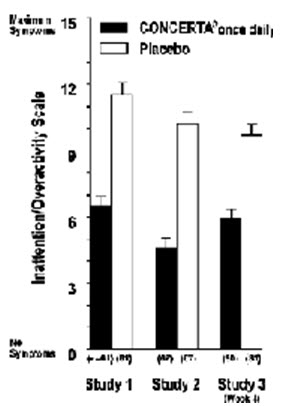
Symptoms of ADHD were evaluated by community schoolteachers using the Inattention/Overactivity with Aggression (IOWA) Conners scale. Statistically significant reduction in the Inattention/Overactivity subscale versus placebo was shown consistently across all three controlled studies for CONCERTA. The scores for CONCERTA and placebo for the three studies are presented in Figure 2.
Figure 2.Mean Community School Teacher IOWA Conners Inattention/Overactivity Scores with CONCERTA once daily (18, 36, or 54 mg) and placebo. Studies 1 and 2 involved a 3-way crossover of 1 week per treatment arm. Study 3 involved 4 weeks of parallel-group treatments with a Last Observation Carried Forward analysis at week 4. Error bars represent the mean plus standard error of the mean.
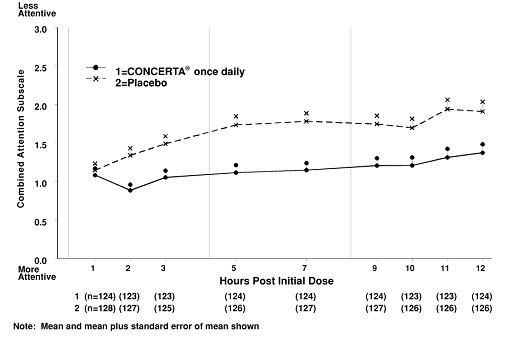
In Studies 1 and 2, symptoms of ADHD were evaluated by laboratory schoolteachers using the SKAMP 1laboratory school rating scale. The combined results from these two studies demonstrated statistically significant improvements in attention and behavior in patients treated with CONCERTA versus placebo that were maintained through 12 hours after dosing. Figure 3 presents the laboratory schoolteacher SKAMP ratings for CONCERTA and placebo.
Figure 3.Laboratory School Teacher SKAMP Ratings: Mean (SEM) of Combined Attention (Studies 1 and 2)
- 1
- Swanson, Kotkin, Agler, M-Fynn, and Pelham
14.2 Adolescents
In a randomized, double-blind, multicenter, placebo-controlled trial (Study 4) involving 177 patients, CONCERTA was demonstrated to be effective in the treatment of ADHD in adolescents aged 13 to 18 years at doses up to 72 mg/day (1.4 mg/kg/day). Of 220 patients who entered an open 4-week titration phase, 177 were titrated to an individualized dose (maximum of 72 mg/day) based on meeting specific improvement criteria on the ADHD Rating Scale and the Global Assessment of Effectiveness with acceptable tolerability. Patients who met these criteria were then randomized to receive either their individualized dose of CONCERTA (18 – 72 mg/day, n=87) or placebo (n=90) during a two-week double-blind phase. At the end of this phase, mean scores for the investigator rating on the ADHD Rating Scale demonstrated that CONCERTA was statistically significantly superior to placebo.
14.3 Adults
Two double-blind, placebo-controlled studies were conducted in 627 adults aged 18 to 65 years. The controlled studies compared CONCERTA administered once daily and placebo in a multicenter, parallel-group, 7-week dose-titration study (Study 5) (36 to 108 mg/day) and in a multicenter, parallel-group, 5-week, fixed-dose study (Study 6) (18, 36, and 72 mg/day).
Study 5 demonstrated the effectiveness of CONCERTA in the treatment of ADHD in adults aged 18 to 65 years at doses from 36 mg/day to 108 mg/day based on the change from baseline to final study visit on the Adult ADHD Investigator Rating Scale (AISRS). Of 226 patients who entered the 7-week trial, 110 were randomized to CONCERTA and 116 were randomized to placebo. Treatment was initiated at 36 mg/day and patients continued with incremental increases of 18 mg/day (36 to 108 mg/day) based on meeting specific improvement criteria with acceptable tolerability. At the final study visit, mean change scores (LS Mean, SEM) for the investigator rating on the AISRS demonstrated that CONCERTA was statistically significantly superior to placebo.
Study 6 was a multicenter, double-blind, randomized, placebo-controlled, parallel-group, dose-response study (5-week duration) with 3 fixed-dose groups (18, 36, and 72 mg). Patients were randomized to receive CONCERTA administered at doses of 18 mg (n=101), 36 mg (n=102), 72 mg/day (n=102), or placebo (n=96). All three doses of CONCERTA were statistically significantly more effective than placebo in improving CAARS (Conners' Adult ADHD Rating Scale) total scores at double-blind end point in adult subjects with ADHD.
16 HOW SUPPLIED/STORAGE AND HANDLING
CONCERTA ®(methylphenidate HCl) Extended-release Tablets are available in 18 mg, 27 mg, 36 mg, and 54 mg dosage strengths. The 18 mg tablets are yellow and imprinted with "alza 18". The 27 mg tablets are gray and imprinted with "alza 27". The 36 mg tablets are white and imprinted with "alza 36". The 54 mg tablets are brownish-red and imprinted with "alza 54". All four dosage strengths are supplied in bottles containing 100 tablets.
| 18 mg | 100-count bottle | NDC 50458-585-01 |
| 27 mg | 100-count bottle | NDC 50458-588-01 |
| 36 mg | 100-count bottle | NDC 50458-586-01 |
| 54 mg | 100-count bottle | NDC 50458-587-01 |
17 PATIENT COUNSELING INFORMATION
Advise the patient to read the FDA-approved patient labeling (Medication Guide).
Abuse, Misuse, and Addiction
Educate patients and their families about the risks of abuse, misuse, and addiction of CONCERTA, which can lead to overdose and death, and proper disposal of any unused drug [see Warnings and Precautions (5.1), Drug Abuse and Dependence (9.2), Overdosage (10)]. Advise patients to store CONCERTA in a safe place, preferably locked, and instruct patients to not give CONCERTA to anyone else.
Risks to Patients with Serious Cardiac Disease
Advise patients that there are potential risks to patients with serious cardiac disease, including sudden death, with CONCERTA use. Instruct patients to contact a healthcare provider immediately if they develop symptoms such as exertional chest pain, unexplained syncope, or other symptoms suggestive of cardiac disease [see Warnings and Precautions (5.2)].
Increased Blood Pressure and Heart Rate
Advise patients that CONCERTA can cause elevations in blood pressure and heart rate [see Warnings and Precautions (5.3)].
Psychiatric Risks
Advise patients that CONCERTA, at recommended doses, can cause psychotic or manic symptoms, even in patients without a prior history of psychotic symptoms or mania [see Warnings and Precautions (5.4)].
Priapism
Advise patients, caregivers, and family members of the possibility of painful or prolonged penile erections (priapism). Instruct the patient to seek immediate medical attention in the event of priapism[see Warnings and Precautions (5.6)] .
Circulation Problems in Fingers and Toes [Peripheral Vasculopathy, including Raynaud's Phenomenon]
Instruct patients beginning treatment with CONCERTA about the risk of peripheral vasculopathy, including Raynaud's phenomenon, and associated signs and symptoms: fingers or toes may feel numb, cool, painful, and/or may change color from pale, to blue, to red.
Instruct patients to report to their physician any new numbness, pain, skin color change, or sensitivity to temperature in fingers or toes.
Instruct patients to call their physician immediately with any signs of unexplained wounds appearing on fingers or toes while taking CONCERTA.
Further clinical evaluation (e.g., rheumatology referral) may be appropriate for certain patients.
Suppression of Growth
Advise patients, caregivers, and family members that CONCERTA may cause slowing of growth and weight loss [see Warnings and Precautions (5.8)] .
Increased Intraocular Pressure (IOP) and Glaucoma
Advise patients that IOP and glaucoma may occur during treatment with CONCERTA [see Warnings and Precautions (5.12)] .
Motor and Verbal Tics, and Worsening of Tourette's Syndrome
Advise patients that motor and verbal tics and worsening of Tourette's Syndrome may occur during treatment with CONCERTA. Instruct patients to notify their healthcare provider if emergence of new tics or worsening of tics or Tourette's syndrome occurs [see Warnings and Precautions (5.13)] .
Administration Instructions
Patients should be informed that CONCERTA should be swallowed whole with the aid of liquids. Tablets should not be chewed, divided, or crushed. The medication is contained within a nonabsorbable shell designed to release the drug at a controlled rate. The tablet shell, along with insoluble core components, is eliminated from the body; patients should not be concerned if they occasionally notice in their stool something that looks like a tablet.
For more information call 1-800-526-7736.
Manufactured for:
Janssen Pharmaceuticals, Inc.
Titusville, NJ 08560, USA
For patent information: www.janssenpatents.com
© 2008 Janssen Pharmaceuticals, Inc.
| This Medication Guide has been approved by the U.S. Food and Drug Administration | Revised: 10/2023 | |
| MEDICATION GUIDE
CONCERTA ®(kon SER-ta) (methylphenidate HCl) Extended-Release Tablets, CII |
||
|
What is the most important information I should know about CONCERTA?
Call your healthcare provider or go to the nearest hospital emergency room right away if you or your child have any signs of heart problems such as chest pain, shortness of breath, or fainting during treatment with CONCERTA.
|
||
|
CONCERTA is a central nervous system (CNS) stimulant prescription medicine used for the treatment of Attention Deficit and Hyperactivity Disorder (ADHD) in children 6 years of age and older and adults up to 65 years of age. CONCERTA may help increase attention and decrease impulsiveness and hyperactivity in people with ADHD.
It is not known if CONCERTA is safe and effective in children under 6 years of age. CONCERTA has not been studied in adults older than 65 years of age. CONCERTA is a federally controlled substance (CII) because it contains methylphenidate that can be a target for people who abuse prescription medicines or street drugs. Keep CONCERTA in a safe place to protect it from theft. Never give your CONCERTA to anyone else because it may cause death or harm them. Selling or giving away CONCERTA may harm others and is against the law. |
||
Do not take CONCERTA if you or your child:
|
||
Before taking CONCERTA, tell your healthcare provider about all of your or your child's medical conditions, including if you or your child:
CONCERTA and some medicines may interact with each other and cause serious side effects. Sometimes the doses of other medicines will need to be changed during treatment with CONCERTA. Your healthcare provider will decide whether CONCERTA can be taken with other medicines. Especially tell your healthcare provider if you or your child take:
Do not start any new medicine during treatment with CONCERTA without first talking to your healthcare provider. |
||
How should CONCERTA be taken?
|
||
| What are the possible side effects of CONCERTA?
CONCERTA may cause serious side effects, including:
The most common side effects of CONCERTA in adults include: |
||
|
|
|
| These are not all the possible side effects of CONCERTA.
Call your doctor for medical advice about side effects. You may report side effects to FDA at 1-800-FDA-1088. You may also report side effects to Janssen Pharmaceuticals, Inc. at 1-800-JANSSEN (1-800-526-7736). |
||
|
||
| General information about the safe and effective use of CONCERTA.
Medicines are sometimes prescribed for purposes other than those listed in a Medication Guide. Do not use CONCERTA for a condition for which it was not prescribed. Do not give CONCERTA to other people, even if they have the same condition. It may harm them and it is against the law. You can ask your healthcare provider or pharmacist for information about CONCERTA that is written for healthcare professionals. |
||
| What are the ingredients in CONCERTA?
Active ingredient:methylphenidate hydrochloride Inactive ingredients:butylated hydroxytoluene, carnauba wax, cellulose acetate, hypromellose, lactose, phosphoric acid, poloxamer, polyethylene glycol, polyethylene oxides, povidone, propylene glycol, sodium chloride, stearic acid, succinic acid, synthetic iron oxides, titanium dioxide, and triacetin. Manufactured for: Janssen Pharmaceuticals, Inc. Titusville, NJ 08560, USA For patent information: www.janssenpatents.com © 2008 Janssen Pharmaceuticals, Inc. For more information, go to www.concerta.net or call 1-800-JANSSEN (1-800-526-7736). |
||
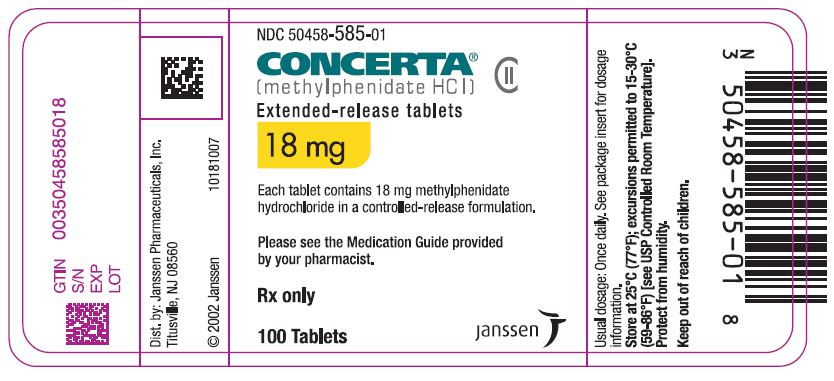
PRINCIPAL DISPLAY PANEL - 18 mg Tablet Bottle Label
NDC 50458-585-01
CONCERTA
®
(methylphenidate HCl)
CII
Extended-release tablets
18 mg
Each tablet contains 18 mg
methylphenidate hydrochloride
in a controlled-release formulation.
Please see the Medication Guide
provided by your pharmacist.
Rx only
100 Tablets
janssen
PRINCIPAL DISPLAY PANEL - 27 mg Tablet Bottle Label
NDC 50458-588-01
CONCERTA
®
(methylphenidate HCl)
CII
Extended-release tablets
27 mg
Each tablet contains 27 mg
methylphenidate hydrochloride
in a controlled-release formulation.
Please see the Medication Guide
provided by your pharmacist.
Rx only
100 Tablets
janssen

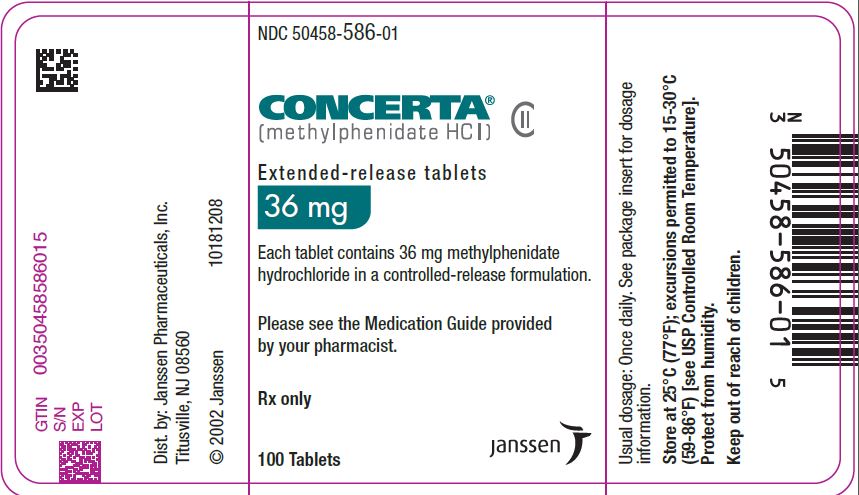
PRINCIPAL DISPLAY PANEL - 36 mg Tablet Bottle Label
NDC 50458-586-01
CONCERTA
®
(methylphenidate HCl)
CII
Extended-release tablets
36 mg
Each tablet contains 36 mg
methylphenidate hydrochloride
in a controlled-release formulation.
Please see the Medication Guide
provided by your pharmacist.
Rx only
100 Tablets
janssen
PRINCIPAL DISPLAY PANEL - 54 mg Tablet Bottle Label
NDC 50458-587-01
CONCERTA
®
(methylphenidate HCl)
CII
Extended-release tablets
54 mg
Each tablet contains 54 mg
methylphenidate hydrochloride
in a controlled-release formulation.
Please see the Medication Guide
provided by your pharmacist.
Rx only
100 Tablets
janssen