



Label: GLYCOPYRROLATE injection


- NDC Code(s): 0641-6212-01, 0641-6212-10, 0641-6213-01, 0641-6213-10
- Packager: Hikma Pharmaceuticals USA Inc.
- Category: HUMAN PRESCRIPTION DRUG LABEL
Drug Label Information
Updated February 24, 2026
If you are a healthcare professional or from the pharmaceutical industry please visit this version.
- Download DRUG LABEL INFO: PDF XML
- Official Label (Printer Friendly)
-
HIGHLIGHTS OF PRESCRIBING INFORMATION
These highlights do not include all the information needed to use GLYCOPYRROLATE INJECTION safely and effectively. See full prescribing information for GLYCOPYRROLATE INJECTION.
GLYCOPYRROLATE injection, for intravenous or intramuscular use
Initial U.S. Approval: 1975INDICATIONS AND USAGE
Glycopyrrolate Injection is an anticholinergic indicated:
in anesthesia (adult and pediatric patients)
- for reduction of salivary, tracheobronchial, and pharyngeal secretions, reduction of volume and acidity of gastric secretions, and blockade of cardiac inhibitory reflexes during induction of anesthesia and intubation.
- intraoperatively to counteract surgically or drug-induced or vagal reflex- associated arrhythmias.
- for protection against peripheral muscarinic effects of cholinergic agents. (1)
in peptic ulcer (adults)
- To reduce symptoms of a peptic ulcer as an adjunct to treatment of peptic ulcer when rapid anticholinergic effect is desired or oral medication is not tolerated.
Limitations of Use
Glycopyrrolate Injection is not indicated as monotherapy for the treatment of peptic ulcer because effectiveness in peptic ulcer healing has not been established. (1)
DOSAGE AND ADMINISTRATION
Glycopyrrolate Injection may be administered intramuscularly (IM), or intravenously (IV) without dilution, in the following indications. (2.1):
Adults (2.2, 2.3, 2.4, 2.5)
Preanesthetic Medication: 0.004 mg/kg IM, given 30 to 60 minutes prior to the anticipated time of induction of anesthesiaIntraoperative Medication: single doses of 0.1 mg IV and repeated, as needed, at intervals of 2 to 3 minutes
Reversal of Neuromuscular Blockade: 0.2 mg for each 1 mg of neostigmine or 5 mg of pyridostigmine
Peptic Ulcer: 0.1 mg IV or IM at 4-hour intervals, 3 or 4 times daily
Pediatric patients (2.2, 2.3, 2.4)
Preanesthetic Medication: 0.004 mg/kg IM, given 30 to 60 minutes prior to the anticipated time of induction of anesthesia. Patients under 2 years of age may require up to 0.009 mg/kgIntraoperative Medication: 0.004 mg/kg IV, not to exceed 0.1 mg in a single dose and repeated, as needed, at intervals of 2 to 3 minutes
Reversal of Neuromuscular Blockade: 0.2 mg IV for each 1 mg of neostigmine or 5 mg of pyridostigmine
Peptic Ulcer: Glycopyrrolate Injection is not indicated for the treatment of peptic ulcer in pediatric patients
Do not use the prefilled syringe to administer a dose of less than 0.1 mg (0.5 mL). (2.2, 2.3, 2.4)
DOSAGE FORMS AND STRENGTHS
Injection: 0.2mg/mL glycopyrrolate in presentation of 0.2mg/1mL and 0.4mg/2mL single-dose prefilled syringes. (3)
CONTRAINDICATIONS
· Known hypersensitivity to glycopyrrolate or any of its inactive ingredients. (4)
· Peptic ulcer patients with glaucoma; obstructive uropathy; obstructive disease of the gastrointestinal tract; paralytic ileus, intestinal atony of the elderly, or debilitated patient; unstable cardiovascular status in acute hemorrhage; severe ulcerative colitis; toxic megacolon; complicating ulcerative colitis; myasthenia gravis. (4)
WARNINGS AND PRECAUTIONS
- Precipitation of Acute Glaucoma: May cause mydriasis and increase intraocular pressure in patients with glaucoma. Advise patients with glaucoma to promptly seek medical care if they experience symptoms of acute angle closure glaucoma. (5.1)
- Drowsiness or Blurred Vision: May cause drowsiness or blurred vision. Advise patients not to drive or perform hazardous work until resolved. (5.2)
- Heat Prostration: Advise patients to avoid exertion and high environmental temperatures after receiving Glycopyrrolate Injection. (5.3)
- Intestinal Obstruction: Diarrhea may be an early symptom of incomplete intestinal obstruction. Avoid use in patients with diarrhea and ileostomy or colostomy. (5.4)
- Tachycardia: Increase in heart rate may occur. Use with caution in patients with coronary artery disease, congestive heart failure, cardiac arrhythmias, hypertension, or hyperthyroidism. (5.5)
ADVERSE REACTIONS
Most common adverse reactions are related to anticholinergic pharmacology and may include xerostomia (dry mouth); urinary hesitancy and retention; blurred vision and photophobia due to mydriasis (dilation of the pupil); cycloplegia; increased ocular tension; tachycardia; bradycardia; palpitation; and decreased sweating. (6)
To report SUSPECTED ADVERSE REACTIONS, contact Hikma Pharmaceuticals USA Inc. at 1-877-845-0689, or FDA at 1-800-FDA-1088 or www.fda.gov/medwatch. For product Inquiry call 1-877-845-0689.
DRUG INTERACTIONS
USE IN SPECIFIC POPULATIONS
Pediatric Use: Infants, patients with Down’s Syndrome, and pediatric patients with spastic paralysis or brain damage may experience an increased response to anticholinergics, thus increasing the potential for side effects. Large doses may cause hyperexcitability. (8.4)
See 17 for PATIENT COUNSELING INFORMATION.
Revised: 2/2026
-
Table of Contents
FULL PRESCRIBING INFORMATION: CONTENTS*
1 INDICATIONS AND USAGE
1.1 Preanesthetic
1.2 Intraoperative
1.3 Reversal of Neuromuscular Blockade
1.4 Peptic Ulcer
2 DOSAGE AND ADMINISTRATION
2.1 Important Dosage and Administration Instructions
2.2 Recommended Dosage of Preanesthetic Medication in Adults and Pediatric Patients
2.3 Recommended Dosage as Intraoperative Medication to Counteract Drug-induced or Vagal Reflexes and Their Associated Arrhythmias (e.g., bradycardia) in Adults and Pediatric Patients
2.4 Recommended Dosage for Reversal of Neuromuscular Blockade in Adults and Pediatric Patients
2.5 Recommended Dosage for Peptic Ulcer in Adults
2.6 Preparation and Handling
2.7 Instructions for Use of Prefilled Syringe
3 DOSAGE FORMS AND STRENGTHS
4 CONTRAINDICATIONS
5 WARNINGS AND PRECAUTIONS
5.1 Precipitation of Acute Glaucoma
5.2 Drowsiness or Blurred Vision
5.3 Heat Prostration
5.4 Intestinal Obstruction
5.5 Tachycardia
5.6 Risk of Use in Patients with Renal Impairment
5.7 Autonomic Neuropathy, Hepatic Disease, Ulcerative Colitis, Prostatic Hypertrophy, or Hiatal Hernia
5.8 Delayed Gastric Emptying/Gastric Stasis
5.9 Light Sensitivity
6 ADVERSE REACTIONS
7 DRUG INTERACTIONS
8 USE IN SPECIFIC POPULATIONS
8.1 Pregnancy
8.2 Lactation
8.4 Pediatric Use
8.5 Geriatric Use
8.6 Renal Impairment
10 OVERDOSAGE
11 DESCRIPTION
12 CLINICAL PHARMACOLOGY
12.1 Mechanism of Action
12.2 Pharmacodynamics
12.3 Pharmacokinetics
13 NONCLINICAL TOXICOLOGY
13.1 Carcinogenesis, Mutagenesis and Impairment of Fertility
16 HOW SUPPLIED/STORAGE AND HANDLING
17 PATIENT COUNSELING INFORMATION
- *
- Sections or subsections omitted from the full prescribing information are not listed.
-
1 INDICATIONS AND USAGE
1.1 Preanesthetic
Glycopyrrolate Injection is indicated in adults and pediatric patients for reduction of salivary, tracheobronchial, and pharyngeal secretions, reduction of volume and acidity of gastric
secretions, and blockade of cardiac inhibitory reflexes during induction of anesthesia and intubation.1.2 Intraoperative
Glycopyrrolate Injection is indicated in adults and pediatric patients to counteract surgically or drug-induced or vagal reflex-associated arrhythmias.
1.3 Reversal of Neuromuscular Blockade
Glycopyrrolate Injection is indicated in adults and pediatric patients for protection against peripheral muscarinic effects of cholinergic agents such as neostigmine and pyridostigmine
given to reverse the neuromuscular blockade due to non- depolarizing agents.1.4 Peptic Ulcer
Glycopyrrolate Injection is indicated in adults to reduce symptoms of a peptic ulcer as an adjunct to treatment of peptic ulcer when rapid anticholinergic effect is desired or when oral medication is not tolerated.
- Limitations of Use
Glycopyrrolate Injection is not indicated as monotherapy for the treatment of peptic ulcer because effectiveness in peptic ulcer healing has not been established.
-
2 DOSAGE AND ADMINISTRATION
2.1 Important Dosage and Administration Instructions
- Dosing of this Glycopyrrolate Injection product is not possible in patients who require doses less than 0.1 mg because the recommended dose cannot be achieved with the supplied pre-filled syringe. For patients who require doses less than 0.1 mg, use another glycopyrrolate injection product that allows dosing of less than 0.1 mg.
- Parenteral drug products should be inspected visually for particulate matter and discoloration prior to administration whenever solution and container permit.
- Glycopyrrolate Injection may be administered intramuscularly or intravenously, without dilution.
- Do not introduce any other fluid into the syringe at any time.
- Do not dilute for IV push.
- Do not re-sterilize the syringe.
- Do not use this product on a sterile field.
- This product is for single dose only.
2.2 Recommended Dosage of Preanesthetic Medication in Adults and Pediatric Patients
The recommended dose of Glycopyrrolate Injection is 0.004 mg/kg by intramuscular injection, given 30 to 60 minutes prior to the anticipated time of induction of anesthesia or at the time the preanesthetic narcotic and/or sedative are administered. Patients less than 2 years of age may require up to 0.009 mg/kg.
Do not use the prefilled syringe to administer a dose of less than 0.1 mg (0.5 mL).
2.3 Recommended Dosage as Intraoperative Medication to Counteract Drug-induced or Vagal Reflexes and Their Associated Arrhythmias (e.g., bradycardia) in Adults and Pediatric Patients
The recommended adult dose of Glycopyrrolate Injection is 0.1 mg intravenously. Repeat this dose, as needed, at intervals of 2 to 3 minutes. The recommended pediatric dosage is 0.004 mg/kg intravenously, not to exceed 0.1 mg in a single dose, repeated every 2 to 3 minutes. Attempt to determine the etiology of the arrhythmia, and perform the surgical or anesthetic manipulations necessary to correct parasympathetic imbalance.
Because of the long duration of action of Glycopyrrolate Injection if used as preanesthetic medication, additional Glycopyrrolate Injection for anticholinergic effect intraoperatively is
rarely needed.Do not use the prefilled syringe to administer a dose of less than 0.1 mg (0.5 mL).
2.4 Recommended Dosage for Reversal of Neuromuscular Blockade in Adults and Pediatric Patients
The recommended dose of Glycopyrrolate Injection is 0.2 mg IV for each 1 mg of neostigmine or 5 mg of pyridostigmine. In order to minimize the appearance of cardiac side effects, the drugs may be administered simultaneously by intravenous injection.
Do not use the prefilled syringe to administer a dose of less than 0.1 mg (0.5 mL).
2.5 Recommended Dosage for Peptic Ulcer in Adults
The recommended dosage of Glycopyrrolate Injection is 0.1 mg administered at 4-hour intervals, 3 or 4 times daily, intravenously or intramuscularly. Where more profound effect is required, 0.2 mg may be given. Some patients may need only a single dose. Frequency of administration should be dictated by patient response up to a maximum of four times daily.
2.6 Preparation and Handling
Diluent Compatibilities
Dextrose 5% and 10% in water, or saline, dextrose 5% in sodium chloride 0.45%, sodium chloride 0.9%, and Ringer’s Injection.Diluent Incompatibilities
Lactated Ringer’s solution.Admixture Compatibilities
Physical CompatibilityThis list does not constitute an endorsement of the clinical utility or safety of co-administration of Glycopyrrolate Injection with these drugs. Glycopyrrolate Injection is compatible for mixing and injection with the following injectable dosage forms: atropine sulfate, USP; physostigmine salicylate; diphenhydramine HCl; codeine phosphate, USP; benz-quinamide HCl; hydromorphone HCl, USP; droperidol; levorphanol tartrate; lidocaine, USP; meperidine HCl, USP; pyridostigmine bromide; morphine sulfate, USP; nalbuphine HCl; oxymorphone HCl; procaine HCl, USP; promethazine HCl, USP; neostigmine methylsulfate, USP; scopolamine
HBr, USP; butorphanol tartrate; fentanyl citrate; trimethobenzamide HCl; and hydroxyzine HCl. Glycopyrrolate Injection may be administered via the tubing of a running infusion of normal saline.Admixture Incompatibilities
Physical IncompatibilityBecause the stability of glycopyrrolate is questionable above a pH of 6.0 do not combine Glycopyrrolate Injection in the same syringe with methohexital Na; chloramphenicol Na succinate; dimenhydrinate; pentobarbital Na; thiopental Na; secobarbital Na; sodium bicarbonate; diazepam; dexamethasone Na phosphate; or pentazocine lactate. These mixtures will result in a pH higher than 6.0 and may result in gas production or precipitation.
2.7 Instructions for Use of Prefilled Syringe
INSTRUCTIONS FOR USE (1 mL and 2 mL Single-Dose Prefilled Disposable Syringes)
CAUTION: Glass syringes may malfunction, break or clog when connected to some Needleless Luer Access Devices (NLADs) and needles. The external collar must remain attached to the syringe (See Figure 1). Spontaneous disconnection of this glass syringe from needles and NLADs with leakage of drug product may occur. Ensure that the needle or NLAD is securely attached before beginning the injection. Inspect the glass syringe-needle or glass syringe-NLAD connection before and during drug administration.
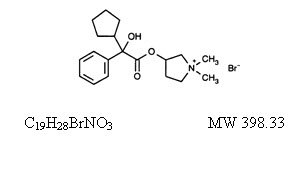
Glycopyrrolate Injection may be administered intramuscularly or intravenously. Parenteral drug products should be inspected visually for particulate matter and discoloration prior to administration whenever solution and container permit.
1. Inspect the outer packaging (plastic tube) and the syringe label by verifying:
- plastic tube integrity
- drug name
- drug strength
- fill volume
- route of administration
- expiration date to be sure that the drug has not expired
- sterile field applicability
Do not use if package has been damaged.2. Open the outer packaging and remove the syringe from the tube.
3. Perform visual inspection on the syringe by verifying:
- absence of syringe damage
- absence of external particles
- absence of internal particles
- proper drug color4. Push plunger rod slightly to break the stopper loose while tip cap is still on.
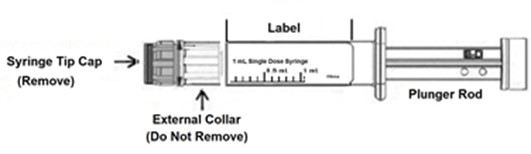
5. Remove tip cap by twisting it off. (See Figure 2)
Figure 2
6. Discard the tip cap.
7. Expel air bubble.
8. Adjust dose into sterile material (if applicable).
9. Connect the syringe to an appropriate injection connection depending on the route of administration.
- Before injection, ensure that the syringe is securely attached to the needle or NLAD.10. Depress plunger rod to deliver the required dose of medication. Ensure that pressure is maintained on the plunger rod during the entire administration.
11. Remove the syringe from NLAD (if applicable) and discard into appropriate receptacle.
- 3 DOSAGE FORMS AND STRENGTHS
-
4 CONTRAINDICATIONS
Glycopyrrolate Injection is contraindicated in:
· patients with known hypersensitivity to Glycopyrrolate Injection or any of its inactive ingredients.
· peptic ulcer patients with the following concurrent conditions: glaucoma; obstructive uropathy (for example, bladder neck obstruction due to prostatic hypertrophy); obstructive disease of the gastrointestinal tract (as in achalasia, pyloroduodenal stenosis, etc.); paralytic ileus, intestinal atony of the elderly or debilitated patient; unstable cardiovascular status in acute hemorrhage; severe ulcerative colitis; toxic megacolon complicating ulcerative colitis; myasthenia gravis.
-
5 WARNINGS AND PRECAUTIONS
5.1 Precipitation of Acute Glaucoma
Glycopyrrolate Injection may cause mydriasis and increase intraocular pressure in patients with glaucoma. Advise patients with glaucoma to promptly seek medical care in the event that they experience symptoms of acute angle closure glaucoma (pain and reddening of the eyes, accompanied by dilated pupils).
5.2 Drowsiness or Blurred Vision
Glycopyrrolate Injection may cause drowsiness or blurred vision. Warn patients not to participate in activities requiring mental alertness, such as operating a motor vehicle or other
machinery or performing hazardous work, until these issues resolve.5.3 Heat Prostration
In the presence of fever, high environmental temperature, and/or during physical exercise, heat prostration can occur with use of anticholinergic agents including Glycopyrrolate Injection (due to decreased sweating), particularly in children and the elderly. Advise patients to avoid exertion and high environmental temperature after receiving Glycopyrrolate Injection.
5.4 Intestinal Obstruction
Diarrhea may be an early symptom of incomplete intestinal obstruction, especially in patients with ileostomy or colostomy. In this instance treatment with Glycopyrrolate Injection is inappropriate and possibly harmful. Glycopyrrolate is contraindicated in patients with these conditions.
5.5 Tachycardia
Investigate any tachycardia before giving Glycopyrrolate Injection because an increase in the heart rate may occur. Use with caution in patients with coronary artery disease, congestive heart failure, cardiac arrhythmias, hypertension, or hyperthyroidism.
5.6 Risk of Use in Patients with Renal Impairment
Renal elimination of glycopyrrolate may be significantly reduced in patients with renal failure. Dosage adjustments may be necessary in this population [see Clinical Pharmacology (12.3)].
5.7 Autonomic Neuropathy, Hepatic Disease, Ulcerative Colitis, Prostatic Hypertrophy, or Hiatal Hernia
Use Glycopyrrolate Injection with caution in the elderly and in all patients with autonomic neuropathy, hepatic disease, ulcerative colitis, prostatic hypertrophy, or hiatal hernia, because anticholinergic drugs may aggravate these conditions. Consider dose reduction and closely monitor the elderly and patients with autonomic neuropathy, hepatic disease, ulcerative colitis, prostatic hypertrophy, or hiatal hernia.
5.8 Delayed Gastric Emptying/Gastric Stasis
The use of anticholinergic drugs, including Glycopyrrolate Injection, in the treatment of peptic ulcer may produce a delay in gastric emptying due to antral stasis. Monitor patients for symptoms such as vomiting, dyspepsia, early satiety, abdominal distention, and increased abdominal pain. Discontinue Glycopyrrolate Injection treatment if these symptoms develop or worsen on treatment.
-
6 ADVERSE REACTIONS
The following adverse reactions were identified in clinical studies or postmarketing reports. Because some of these reactions were reported voluntarily from a population of uncertain size, it is not always possible to reliably estimate their frequency or establish a causal relationship to drug exposure.
Adverse reactions to anticholinergics include xerostomia (dry mouth); urinary hesitancy and retention; blurred vision and photophobia due to mydriasis (dilation of the pupil); cycloplegia; increased ocular tension; tachycardia; palpitation; decreased sweating; loss of taste; headache; nervousness; drowsiness; weakness; dizziness; insomnia; nausea; vomiting; impotence; suppression of lactation; constipation; bloated feeling; severe allergic reactions including anaphylactic/anaphylactoid reactions; hypersensitivity; urticaria, pruritus, dry skin, and other dermal manifestations; some degree of mental confusion and/or excitement, especially in elderly persons.
The following adverse events have been reported from post-marketing experience with glycopyrrolate: malignant hyperthermia; cardiac arrhythmias (including bradycardia, ventricular tachycardia, ventricular fibrillation); cardiac arrest; hypertension; hypotension; seizures; and respiratory arrest. Post-marketing reports have included cases of heart block and QTc interval prolongation associated with the combined use of glycopyrrolate and an anticholinesterase. Injection site reactions including pruritus, edema, erythema, and pain have also been reported.
-
7 DRUG INTERACTIONS
The concurrent use of Glycopyrrolate Injection with other anticholinergics or medications with anticholinergic activity, such as phenothiazines, antiparkinson drugs, or tricyclic antidepressants, may intensify the antimuscarinic effects and result in an increase in anticholinergic side effects.
Concomitant administration of Glycopyrrolate Injection and potassium chloride in a wax matrix may increase the severity of potassium chloride-induced gastrointestinal lesions as a result of a slower gastrointestinal transit time.
-
8 USE IN SPECIFIC POPULATIONS
8.1 Pregnancy
Risk Summary
Limited available data over decades of use with glycopyrrolate in pregnant women have not identified a drug-associated risk of birth defects and miscarriage, however, most of the reported exposures occurred after the first trimester. Most of the available data are based on studies with exposures that occurred at the time of Cesarean section delivery, and these studies have not identified an adverse effect on maternal outcomes or infant Apgar scores (see Data).
In animal reproduction studies in pregnant rats and rabbits administered glycopyrrolate orally (rats) and intramuscularly (rabbits) during the period of organogenesis, no teratogenic effects were seen at 320-times and 5-times the maximum recommended human dose (MRHD) of 2 mg (on a mg/m2 basis), respectively (see Data).
The background risk for major birth defects and miscarriage for the indicated population is unknown. All pregnancies have a background risk of birth defect, loss, or other adverse
outcomes. In the U.S. general population, the estimated background risk of major birth defects and miscarriage in the clinically recognized pregnancies is 2 to 4% and 15 to 20%, respectively.Data
Human Data
Published, randomized, controlled trials over several decades, which compared the use of glycopyrrolate to another antimuscarinic agent in pregnant women during Cesarean section, have not identified adverse maternal or infant outcomes. In normal doses (0.004 mg/kg), glycopyrrolate does not appear to affect fetal heart rate or fetal heart rate variability to a significant degree. Concentrations of glycopyrrolate in umbilical venous and arterial blood and in the amniotic fluid are low after intramuscular administration to parturients. Therefore, glycopyrrolate does not appear to penetrate through the placental barrier in significant amounts.
There are no studies on the safety of glycopyrrolate exposure during the period of organogenesis, and therefore, it is not possible to draw any conclusions on the risk of birth defects following exposure to glycopyrrolate during pregnancy. In addition, there are no data on the risk of miscarriage following fetal exposure to glycopyrrolate.
Animal Data
Reproduction studies with glycopyrrolate were performed in rats at a dietary dose of approximately 65 mg/kg/day (exposure was approximately 320 times the maximum
recommended daily human dose of 2 mg on a mg/m2 basis) and rabbits at intramuscular doses of up to 0.5 mg/kg/day (exposure was approximately 5 times the maximum recommended daily human dose on a mg/m2 basis). These studies produced no teratogenic effects to the fetus.A preclinical study on reproductive performance of rats given glycopyrrolate resulted in a decreased rate of conception and survival at weaning.
8.2 Lactation
Risk Summary
There are no data on the presence of glycopyrrolate in either human milk or animal milk, the effects on the breastfed infant, or the effects on milk production. As with other anticholinergics, glycopyrrolate may cause suppression of lactation [see Adverse Reactions (6)]. The developmental and health benefits of breast feeding should be considered along with the mother’s clinical need for Glycopyrrolate Injection and any potential adverse effects on the breastfed child from Glycopyrrolate Injection or from the underlying maternal condition.8.4 Pediatric Use
Glycopyrrolate Injection is indicated in pediatric patients:
- for reduction of salivary, tracheobronchial, and pharyngeal secretions, reduction of volume and acidity of gastric secretions, and blockade of cardiac inhibitory reflexes during induction of anesthesia and intubation
- intraoperatively to counteract surgically or drug-induced or vagal reflex-associated arrhythmias
- for protection against peripheral muscarinic effects of cholinergic agents such as neostigmine and pyridostigmine given to reverse the neuromuscular blockade due to nondepolarizing agents
Heat prostration can occur in pediatric patients in the presence of fever, high environmental temperature, and/or during physical exercise with use of anticholinergic agents including Glycopyrrolate Injection [see Warnings and Precautions (5.3)].
Young pediatric patients (and especially those less than 1 month of age), patients with Down syndrome, and pediatric patients with spastic paralysis or brain damage may experience an increased response to anticholinergics, thus increasing the potential for side effects.
A paradoxical reaction characterized by hyperexcitability may occur in pediatric patients receiving large doses of anticholinergics including Glycopyrrolate Injection. Dysrhythmias
associated with the use of glycopyrrolate intravenously as a premedicant or during anesthesia have been observed in pediatric patients.The safety and effectiveness of Glycopyrrolate Injection for treatment of peptic ulcer have not been established in pediatric patients.
8.5 Geriatric Use
Clinical studies of Glycopyrrolate Injection did not include sufficient numbers of subjects aged 65 and over to determine whether they respond differently from younger subjects. Other reported clinical experience has not identified differences in responses between the elderly and younger patients. In general, dose selection for an elderly patient should be cautious, usually starting at the low end of the dosing range, reflecting the greater frequency of decreased hepatic, renal, or cardiac function, and of concomitant disease or other therapy.
8.6 Renal Impairment
Renal elimination of glycopyrrolate may be significantly reduced in patients with renal failure. Dosage adjustments may be necessary [see Clinical Pharmacology (12.3)].
-
10 OVERDOSAGE
To combat peripheral anticholinergic effects, a quaternary ammonium anticholinesterase such as neostigmine methylsulfate (which does not cross the blood-brain barrier) may be given intravenously in increments of 0.25 mg in adults. This dosage may be repeated every five to ten minutes until anticholinergic overactivity is reversed or up to a maximum of 2.5 mg. Proportionately smaller doses should be used in pediatric patients. Indication for repetitive doses of neostigmine should be based on close monitoring of the decrease in heart rate and the return of bowel sounds.
If CNS symptoms (e.g., excitement, restlessness, convulsions, psychotic behavior) occur, physostigmine (which does cross the blood–brain barrier) may be used. Physostigmine 0.5 to 2 mg should be slowly administered intravenously and repeated as necessary up to a total of 5 mg in adults. Use proportionately smaller doses in pediatric patients.
To combat hypotension, administer IV fluids and/or pressor agents along with supportive care. Fever should be treated symptomatically.
Following overdosage, a curare-like action may occur, i.e., neuromuscular blockade leading to muscular weakness and possible paralysis. In the event of a curare-like effect on respiratory muscles, artificial respiration should be instituted and maintained until effective respiratory action returns.
-
11 DESCRIPTION
Glycopyrrolate is a synthetic anticholinergic agent.
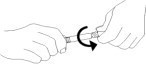
It is a quaternary ammonium salt with the following chemical name:
3[(cyclopentylhydroxyphenylacetyl)oxy]-1,1-dimethyl pyrrolidinium bromide. The molecular formula is C19H28BrNO3 and the molecular weight is 398.33.
Its structural formula is as follows:
Glycopyrrolate occurs as a white, odorless, crystalline powder. It is soluble in water and alcohol, and practically insoluble in chloroform and ether. It is completely ionized at physiological pH values. Glycopyrrolate Injection, USP, is a clear, colorless, sterile liquid with a pH of 2.0 to 3.0. The partition coefficient of glycopyrrolate in n-octanol/water system is 0.304 (log10 P = -1.52) at ambient room temperature (24°C).
Glycopyrrolate injection, USP, is intended for intramuscular or intravenous administration. Each 1 mL of contains 0.2 mg of glycopyrrolate, water for injection, and hydrochloric acid or sodium hydroxide as pH adjusters. Glycopyrrolate Injection is preservative free.
-
12 CLINICAL PHARMACOLOGY
12.1 Mechanism of Action
Glycopyrrolate, like other anticholinergic (antimuscarinic) agents, inhibits the action of acetylcholine on structures innervated by postganglionic cholinergic nerves and on smooth
muscles that respond to acetylcholine but lack cholinergic innervation. These peripheral cholinergic receptors are present in the autonomic effector cells of smooth muscle, cardiac muscle, the sinoatrial node, the atrioventricular node, exocrine glands and, to a limited degree, in the autonomic ganglia. Thus, it diminishes the volume and free acidity of gastric secretions and controls excessive pharyngeal, tracheal, and bronchial secretions.12.2 Pharmacodynamics
Glycopyrrolate antagonizes muscarinic symptoms (e.g., bronchorrhea, bronchospasm, bradycardia, and intestinal hypermotility) induced by cholinergic drugs such as the
anticholinesterases. The highly polar quaternary ammonium group of glycopyrrolate limits its passage across lipid membranes, such as the blood-brain barrier, in contrast to atropine sulfate and scopolamine hydrobromide, which are highly non-polar tertiary amines which penetrate lipid barriers easily. For this reason, the occurrence of CNS-related side effects is lower, in comparison to their incidence following administration of anticholinergics which are chemically tertiary amines that can cross this barrier readily. With intravenous injection, the onset of action is generally evident within one minute. Following intramuscular administration, the onset of action is noted in 15 to 30 minutes, with peak effects occurring within approximately 30 to 45 minutes. The vagal blocking effects persist for 2 to 3 hours and the antisialagogue effects persist up to 7 hours, periods longer than for atropine.12.3 Pharmacokinetics
The following pharmacokinetic information and conclusions were obtained from published studies that used nonspecific assay methods.
Distribution
The mean volume of distribution of glycopyrrolate was estimated to be 0.42 ± 0.22 L/kg.Elimination
MetabolismThe in vivo metabolism of glycopyrrolate in humans has not been studied.
Excretion
The mean clearance and mean t1/2 values were reported to be 0.54 ± 0.14 L/kg/hr and 0.83 ± 0.27 hr, respectively post IV administration. After IV administration of a 0.2 mg radiolabeled glycopyrrolate, 85% of dose recovered was recovered in urine 48 hours post dose and some of the radioactivity was also recovered in bile. After IM administration of glycopyrrolate to adults, the mean t1/2 value is reported to be between 0.55 to 1.25 hrs. Over 80% of IM dose administered was recovered in urine and the bile as unchanged drug and half the IM dose is excreted within 3 hrs. The following table summarizes the mean and standard deviation of pharmacokinetic parameters from a study.
Group
t1/2
Vss
CL
Tmax
Cmax
AUC
(hr)
(L/kg)
(L/kg/hr)
(min)
(mcg/L)
(mcg/L•hr)
(6 mcg/kg IV)
0.83 ± 0.27
0.42 ± 0.22
0.54 ± 0.14
–
–
8.64 ± 1.49*
(8 mcg/kg IM)
–
–
–
27.48 ± 6.12
3.47 ± 1.48
6.64 ± 2.33*
* 0 to 8 hr
Specific Populations
Pediatric Patients
Following IV administration (5 mcg/kg glycopyrrolate) to infants and children, the mean t1/2 values were reported to be between 21.6 and 130.0 minutes and between 19.2 and 99.2 minutes, respectively.
Patients with Renal Impairment
In one study glycopyrrolate was administered IV in uremic patients undergoing renal transplantation. The mean elimination half-life was significantly longer (46.8 minutes) than in healthy patients (18.6 minutes). The mean area-under-the-concentration-time curve (10.6 hr-mcg/L), mean plasma clearance (0.43 L/hr/kg), and mean 3-hour urine excretion (0.7%) for glycopyrrolate were also significantly different than those of controls (3.73 hr-mcg/L, 1.14 L/hr/kg, and 50%, respectively). These results suggest that the elimination of glycopyrrolate is severely impaired in patients with renal failure.
-
13 NONCLINICAL TOXICOLOGY
13.1 Carcinogenesis, Mutagenesis and Impairment of Fertility
Carcinogenesis
Long-term studies in animals have not been performed to evaluate carcinogenic potential.Mutagenesis
Studies to evaluate the mutagenic potential of glycopyrrolate have not been conducted.Impairment of Fertility
In reproduction studies in rats, dietary administration of glycopyrrolate resulted in diminished rates of conception in a dose-related manner. Other studies in dogs suggest that this may be due to diminished seminal secretion which is evident at high doses of glycopyrrolate. -
16 HOW SUPPLIED/STORAGE AND HANDLING
Glycopyrrolate injection, USP is a clear, colorless solution without preservative and is available as:
- 0.2 mg/mL single-dose prefilled disposable syringe packaged in 10s (NDC 0641-6212-10)
- 0.4 mg/2 mL (0.2 mg/mL) single-dose prefilled disposable syringe packaged in 10s (NDC 0641-6213-10)
Store at 20°C to 25°C (68°F to 77°F) [See USP Controlled Room Temperature].
Sensitive to heat – Do not autoclave. Discard unused portion.
Do not place syringe on a sterile field.
-
17 PATIENT COUNSELING INFORMATION
Drowsiness or Blurred Vision: Inform patients that Glycopyrrolate Injection may cause drowsiness or blurred vision. Warn patients not to operate a motor vehicle or other machinery or perform hazardous work until these issues resolve [see Warnings and Precautions (5.2)].
Heat Prostration: Inform patients that in the presence of fever, high environmental temperature and/or during physical exercise, heat prostration can occur with use of anticholinergic agents, including Glycopyrrolate Injection (due to decreased sweating), particularly in children and the elderly. Advise patients to avoid exertion and high environmental temperature after receiving Glycopyrrolate Injection [see Warnings and Precautions (5.3)].
Light Sensitivity: Advise patients that Glycopyrrolate Injection may cause sensitivity of the eyes to light and to protect their eyes from light after receiving Glycopyrrolate Injection [see Warnings and Precautions (5.9)].
Drug Interactions: Inform patients that Glycopyrrolate Injection may interact with other drugs. Advise patients to report to their healthcare provider the use of any other medication [see Drug Interactions (7)].
Manufactured by
Hikma Pharmaceuticals USA Inc.
Berkeley Heights, NJ 07922
462-059-03
Revised February 2026
-
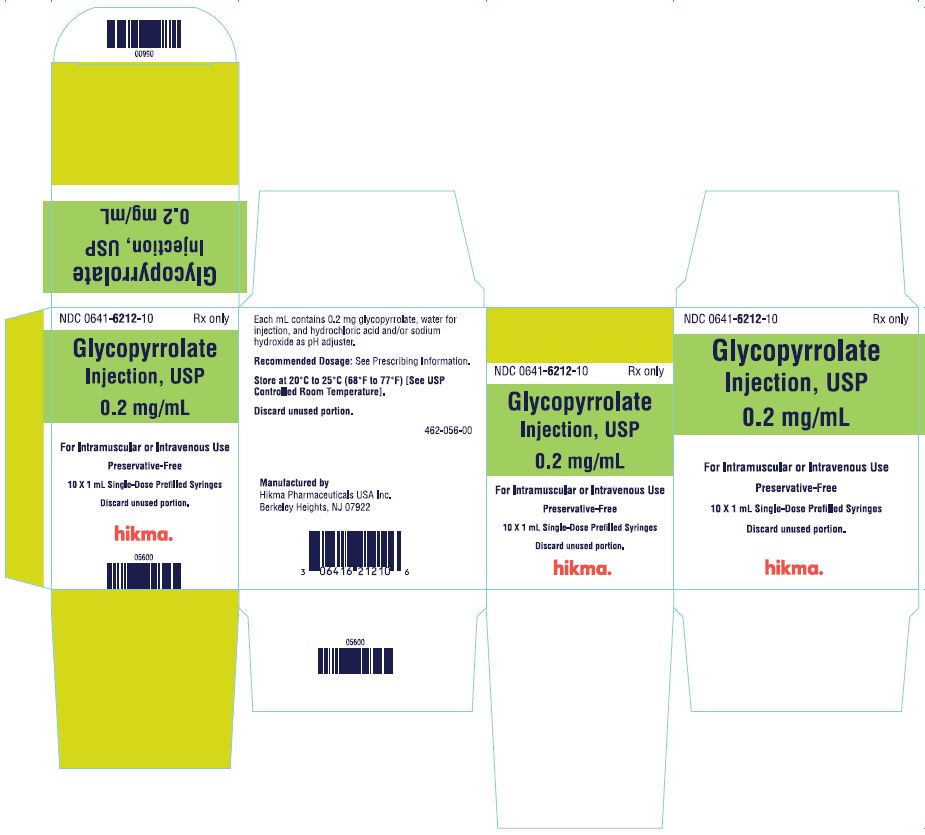
PRINCIPAL DISPLAY PANEL 1 mL Syringe
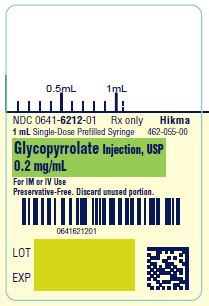
NDC 0641-6212-01 Rx only
1 mL Single-Dose Prefilled Syringe
Glycopyrrolate Injection, USP
0.2 mg/mL
For IM or IV Use
Preservative-Free. Discard unused portion
NDC 0641-6212-10 Rx only
Glycopyrrolate Injection, USP
0.2 mg/mL
For Intramuscular or Intravenous Use
Preservative-Free
10 X 1 mL Single-Dose Prefilled Syringes
Discard unused portion.
-
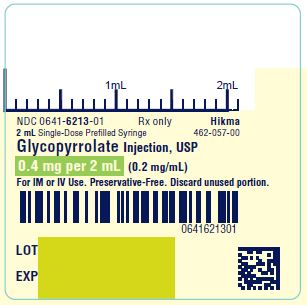
PRINCIPAL DISPLAY PANEL 2 mL Syringe
NDC 0641-6213-01 Rx only
2 mL Single-Dose Prefilled Syringe
Glycopyrrolate Injection, USP
0.4 mg per 2 mL (0.2 mg/mL)
For IM or IV Use. Preservative-Free. Discard unused portion.
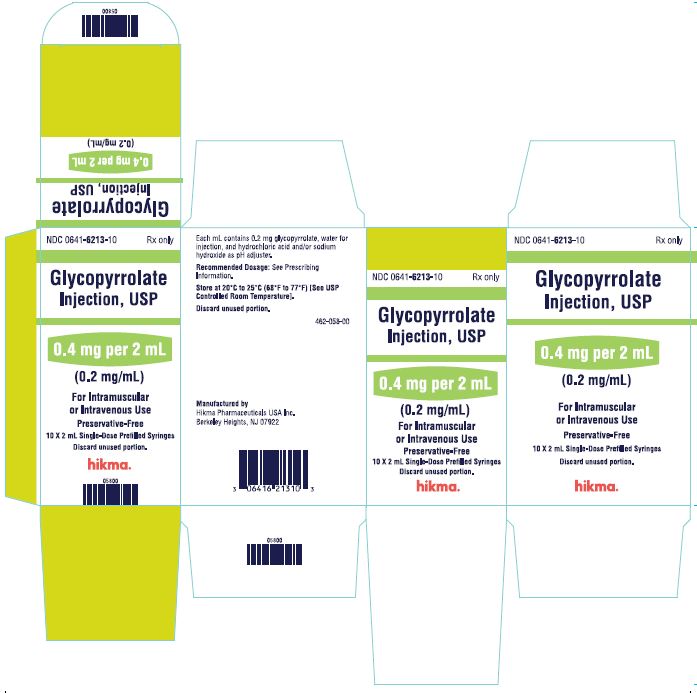
NDC 0641-6213-10 Rx only
Glycopyrrolate Injection, USP
0.4 mg per 2 mL (0.2 mg/mL)
For Intramuscular or Intravenous Use
Preservative-Free
10 X 2 mL Single-Dose Prefilled Syringe
Discard unused portion.
-
INGREDIENTS AND APPEARANCE
GLYCOPYRROLATE
glycopyrrolate injectionProduct Information Product Type HUMAN PRESCRIPTION DRUG Item Code (Source) NDC:0641-6212 Route of Administration INTRAMUSCULAR, INTRAVENOUS Active Ingredient/Active Moiety Ingredient Name Basis of Strength Strength GLYCOPYRROLATE (UNII: V92SO9WP2I) (GLYCOPYRRONIUM - UNII:A14FB57V1D) GLYCOPYRROLATE 0.2 mg in 1 mL Inactive Ingredients Ingredient Name Strength WATER (UNII: 059QF0KO0R) HYDROCHLORIC ACID (UNII: QTT17582CB) SODIUM HYDROXIDE (UNII: 55X04QC32I) Packaging # Item Code Package Description Marketing Start Date Marketing End Date 1 NDC:0641-6212-10 10 in 1 CARTON 08/28/2025 1 NDC:0641-6212-01 1 mL in 1 SYRINGE, GLASS; Type 2: Prefilled Drug Delivery Device/System (syringe, patch, etc.) Marketing Information Marketing Category Application Number or Monograph Citation Marketing Start Date Marketing End Date NDA NDA017558 08/28/2025 GLYCOPYRROLATE
glycopyrrolate injectionProduct Information Product Type HUMAN PRESCRIPTION DRUG Item Code (Source) NDC:0641-6213 Route of Administration INTRAMUSCULAR, INTRAVENOUS Active Ingredient/Active Moiety Ingredient Name Basis of Strength Strength GLYCOPYRROLATE (UNII: V92SO9WP2I) (GLYCOPYRRONIUM - UNII:A14FB57V1D) GLYCOPYRROLATE 0.2 mg in 1 mL Inactive Ingredients Ingredient Name Strength WATER (UNII: 059QF0KO0R) HYDROCHLORIC ACID (UNII: QTT17582CB) SODIUM HYDROXIDE (UNII: 55X04QC32I) Packaging # Item Code Package Description Marketing Start Date Marketing End Date 1 NDC:0641-6213-10 10 in 1 CARTON 08/28/2025 1 NDC:0641-6213-01 2 mL in 1 SYRINGE, GLASS; Type 2: Prefilled Drug Delivery Device/System (syringe, patch, etc.) Marketing Information Marketing Category Application Number or Monograph Citation Marketing Start Date Marketing End Date NDA NDA017558 08/28/2025 Labeler - Hikma Pharmaceuticals USA Inc. (946499746)